


Spring Cycling Safety Tips for Women: Outsmart the 5 Most Common Road Risks (and Ride Confidently All Season)
If you’re feeling the itch to get back on the bike now that March is rolling in—same. Longer daylight, fresh air, and that first “wow, my legs still remember this” ride? Pure joy.
But let’s be real: spring riding comes with a special mix of “this is amazing” and “why is everyone driving like it’s their first day with a license?” You’re not imagining it. Cycling safety isn’t about being fearless—it’s about being ready. And the most confident riders don’t rely on luck… they rely on patterns.
Because road crashes usually don’t happen out of nowhere. They happen in predictable ways—at predictable places—often when drivers “didn’t see” a cyclist, or when a simple intersection decision becomes a high-stakes moment. (And yes, even if you’re a great rider.)
The good news: you can drastically reduce your risk by learning the five most common road conflict patterns—and using a few simple, repeatable “counter-moves” that make you more visible, more predictable, and harder to accidentally cut off.
Let’s get you road-ready—without turning your ride into a stress fest.

The numbers (quick reality check, not to scare you—just to empower you)
In the U.S., 1,166 pedalcyclists were killed in traffic crashes in 2023, and an estimated 49,989 were injured. Most fatalities happened in urban areas (81%), and 28% occurred at intersections. Alcohol involvement was reported in 34% of fatal pedalcyclist crashes.
NHTSA also notes that in fatal bike crashes, bicyclists failing to yield was a leading factor —and not being visible was another major factor.
Translation: skills matter, but visibility + decision-making at conflict points matter a lot.
The CDC adds more context: most bicyclist deaths occur in urban areas, and a large share occur away from intersections, where speeds can be higher (with a meaningful portion still happening at intersections).
So for spring riding (especially in suburban areas where faster roads connect everything), the safety sweet spot is learning how to handle:
-
intersections and turning traffic,
-
parked-car zones,
-
and higher-speed roads with inconsistent bike infrastructure.
The “Crash Pattern Playbook”: 5 common road risks + your counter-move
Think of these like the five “boss levels” of road riding. You don’t have to obsess—you just need to recognize them fast.
1) The Right Hook (aka “the sudden right turn across your path”)
What it looks like: A car passes you or pulls alongside… then turns right in front of you into a driveway, side street, or shopping center entrance. NHTSA specifically warns drivers turning right on red to look right and behind to avoid hitting a bicyclist approaching from the right rear.
Your counter-move:
-
At intersections, avoid being on the right side of a vehicle that could turn right.
-
If you’re approaching a right-turn zone and you suspect the driver might turn, slow slightly and prepare to “claim visibility,” meaning position yourself where you’re expected to be seen (not hidden in a blind spot).
-
Make your movement readable: steady line, clear signals, no sudden swerves. (Predictability prevents panic moves—from you and from drivers.)
Bonus: If you’re riding in a bike lane and cars are turning right across it, treat every driveway and turn lane like a “potential hook zone.” That’s not paranoia—that’s pattern recognition.
2) The Left Cross (the car turning left across you)
What it looks like: You’re going straight. A driver coming toward you turns left across your lane—often thinking they “have time.” NHTSA advises drivers not to underestimate bicyclists’ speed and to yield to bicyclists like they would motorists.
Your counter-move:
-
As you approach an intersection, assume you’re invisible until you confirm otherwise. NHTSA literally recommends riding defensively and assuming the other person doesn’t see you.
-
Reduce speed slightly through complex intersections so you have reaction time.
-
If you can’t see the driver’s face/eyes, assume they don’t see you.
3) Dooring (parked cars + surprise doors)
What it looks like: A parked car door swings open into your path. This is especially common on “cute” downtown strips and school-zone streets where parking turnover is constant.
Your counter-move:
-
The League of American Bicyclists recommends riding outside the door zone—far enough left to avoid a suddenly opened door, even if that puts you outside a painted bike lane.
-
Watch for “tells”: brake lights, a driver’s head moving, a tire angled out, someone sitting in the car.
-
Never weave in and out between parked cars. Ride a clean line.
This is one of those moments where confidence = safety. A steady lane position communicates to drivers behind you: “This is my space. Pass when safe.”
4) The Driveway Dart (suburban classic)
What it looks like: A car pulls out of a driveway or parking lot and doesn’t see you—especially if you’re on a sidewalk or path that crosses driveways.
NHTSA notes that cars don’t expect moving traffic on sidewalks and may not look for bicyclists when backing out of driveways or turning—so they recommend avoiding or minimizing sidewalk riding and checking local laws.
Your counter-move:
-
If you’re near driveways, reduce speed and increase scanning (especially around hedges, fences, and SUVs).
-
Prioritize routes with fewer driveway conflict points when possible.
-
If you must ride sidewalk-adjacent, ride like a pedestrian at crossings: slow, look, be ready to stop.
5) The Passing Squeeze (close passes, narrow lanes, speed mismatch)
What it looks like: A driver tries to pass without changing lanes or giving space. This is more likely on faster suburban connector roads where drivers feel rushed.
Your counter-move:
-
Know that many states have safe passing rules. NCSL maintains a map/table of state “safely passing bicyclists” laws and policies (often a 3‑foot standard, but it varies).
-
Choose roads with slower speeds and lighter traffic when you can—NHTSA explicitly recommends picking routes with less traffic and slower speeds as a safety strategy.
-
Ride predictably and visibly so drivers have time to pass properly, not “thread the needle.”

The Visibility Stack: Be “Unmissable” (Not Just Technically Seen)
Spring riding is gorgeous… and also sneaky. March light creates long shadows, glare off windshields, and that hazy dusk that feels brighter than it actually is. The goal isn’t to look like a neon construction cone—it’s to make sure drivers register you fast.
Here’s the simplest way to do that: stack visibility layers so you’re noticeable from multiple angles, at multiple distances, even when someone’s attention is split.
Your Spring Visibility Stack (easy + repeatable):
-
Lights, even in daylight: A white front light + red rear light isn’t just for night rides. Daytime running lights help you stand out against busy backgrounds (trees, fences, parked cars, and “everything is beige” suburbs).
-
Reflective “motion points”: Drivers spot movement first. Reflective details on ankles, shoes, and lower legs pop because they move rhythmically with every pedal stroke.
-
High-contrast color choices: Choose shades that don’t blend into gray roads, dark hedges, or overcast skies—especially on cloudy spring days.
-
Built-in reflectivity on what you already wear: This is where we’re proud of our design details at SportPort Active. All of our Apex compression pieces include 3M™ reflective logos, a premium reflective material known for throwing light back clearly when headlights hit it—so you get added visibility without needing extra gear or remembering one more thing on your way out the door.
-
Dawn/dusk rule: If you’re riding early or near sunset, treat it like nighttime. Visibility drops faster than you think—especially when you’re moving between sun and shade.
Think of it like this: lights make you noticeable from far away, reflectivity makes you readable up close, and contrast keeps you from blending in. Stack all three, and you’ve just made one of the biggest safety upgrades possible—without changing your route or your speed.
In other words: don’t just be visible—be unignorable.

Lane positioning: “predictable” beats “polite”
A lot of women riders were socialized to be nice—to stay as far right as possible, to not “inconvenience” cars, to shrink.
On a bike, shrinking can be dangerous.
NHTSA emphasizes riding with the flow of traffic, obeying signals, and riding where you are expected to be seen.
That often means:
-
You can’t always ride on the extreme right if that puts you in the door zone or debris zone.
-
You can’t always stay in a bike lane if the lane is in the “squeeze” zone, full of potholes, or sets you up for a right hook at intersections.
-
You can ride in a way that gives drivers clarity: “Here is where I am. Here is what I’m doing.”
If your lane position makes you unpredictable (weaving around potholes, darting around parked cars, riding too close to curbs), drivers make worse decisions. Predictability makes you safer and makes everyone else calmer.
Route science: choose “low stress,” not just “pretty”
Here’s a hot take that’s actually backed by research: the safest ride isn’t always the shortest or the prettiest. It’s the one with fewer conflict points and lower traffic stress.
A 2025 study summarized in TRID (Transportation Research Board database) found that higher “level of traffic stress” is associated with more cyclist-involved crashes, and cyclists are more likely to experience more severe injury in crashes on higher-stress facilities (evidence from Arizona).
A University of Wisconsin–Madison transportation research summary explains that lower-stress roads (examples given include fewer lanes, lower speeds like ~25 mph, and lower volumes) were associated with fewer bike crashes—and that bike lanes reduced severity when crashes occurred.
Suburban route upgrade ideas (that don’t require “being hardcore”):
-
Stitch together residential streets instead of riding long stretches on high-speed arterials.
-
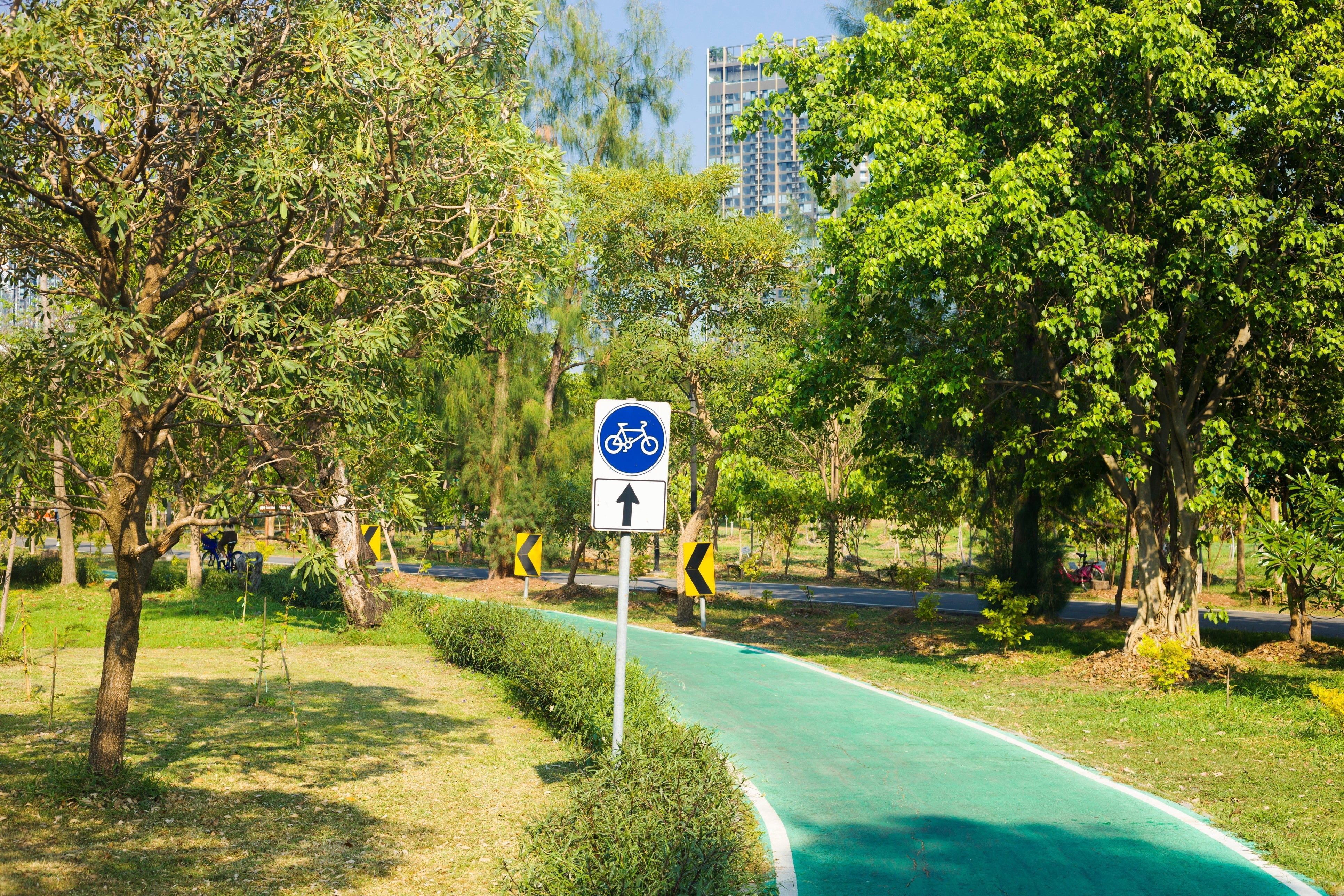
Use multi-use paths or greenways for the “spine” of your ride, then branch out.
-
If you must use a faster road, do it for the shortest possible connector segment.
-
Consider protected bike lanes when available—IIHS notes protected bike lanes can vary in safety depending on design, driveways, and complexity, but separation can reduce risk when done well.
And if you want to take it one step further, the Vision Zero “Safe System” approach emphasizes designs that separate road users and manage speeds—because humans make mistakes, and streets should be designed so mistakes don’t turn deadly.
Safe passing laws: the “know it, don’t argue it mid-ride” piece
If you’ve ever felt that rush of anger after a close pass—you’re not alone. But the goal is safer riding, not a roadside debate.
NHTSA has a dedicated page summarizing how state laws vary on passing bicyclists, including examples of minimum distances and lane-change requirements.
And the National Conference of State Legislatures provides a searchable chart/map of safe passing laws across states.
What to do with this info:
-
Take five minutes to look up your state’s rules once. Save it.
-
Use it to inform route choice (roads with no shoulder + high speed = higher risk).
-
Use it to educate the people who drive you around (partners, teen drivers, carpool buddies).
Because cyclist safety isn’t just a cyclist issue—most of us are both cyclists and drivers.
The 60‑second spring bike check (because most problems start small)
Before your first ride of the season (and honestly, once a week after that), do a quick ABC-style check:
-
A = Air: tire pressure, obvious wear
-
B = Brakes: squeeze levers, make sure you can stop cleanly
-
C = Chain/Cranks: quick look for rust, dryness, or anything that looks “off”
This “ABC Quick Check” format is widely used in bike safety education.
Also: spring roads are famous for potholes, gravel, and debris. NHTSA specifically advises watching for road hazards like potholes, broken glass, gravel, puddles, leaves, and more.
If something happens: a calm post-incident plan
Not fun, but worth having in your back pocket.
If you’re in a crash or a close call:
-
Get to safety first (you + bike).
-
If there’s injury, call emergency services.
-
Document what you can (photos, location, plate, time).
-
Don’t downplay pain—adrenaline is persuasive.
-
Follow up with appropriate medical and/or legal professionals if needed.
(That’s not legal advice—just practical “future you will thank you” guidance.)
Quick FAQ for spring cyclists
These “quick answers” are also the kind of thing Google loves—so they help readers and SEO.
Should I use bike lights during the day?
It’s a smart move. NHTSA recommends lights at night or when visibility is poor, and research on daytime running lights suggests meaningful safety benefits in certain conditions, especially in the dark.
Is it safer to ride on the sidewalk?
Often, no—especially near driveways and intersections. NHTSA explains that drivers don’t expect moving traffic on sidewalks and may not look for bicyclists when turning or backing out. Always check local laws.
Where do most fatal bicycle crashes happen—intersections or not?
Both matter. The CDC reports a majority occur away from intersections (often where speeds are higher), with a substantial portion at intersections. NHTSA’s 2023 data notes 28% of pedalcyclist fatalities occurred at intersections.
How much room should you allow between your car and passing?
It varies by state. Use NCSL’s safe passing chart to look up your state rules.
A SportPort Active note: comfort supports confidence
Cycling safety is mostly awareness and smart choices—but comfort matters too. When your layers don’t chafe, your waistband stays put, and your essentials are secure, you ride with fewer distractions.
That’s one reason we’re obsessive about fit, function, and thoughtful details at SportPort Active —so you can focus on the road and the joy of the ride.
Spring is your season. Ride bright. Ride smart. Ride like you belong out there—because you do.
Experts and Resources “Further Reading”
NHTSA Bicycle Safety (tips, visibility, rules of the road):
Bicycle Safety - Helmets - Avoid Crashes - Drivers: Share the Road
NHTSA Traffic Safety Facts (2023) – Bicyclists and Other Cyclists (PDF):
Traffic Safety Facts: 2023 Data - Bicyclists and Other Cyclists
CDC Bicycle Safety (risk factors, interventions, helmet evidence references):
Pedestrian, Bicycle, and Motorcycle Safety | CDC
NCSL Safely Passing Bicyclists Chart (state-by-state safe passing laws):
Brief Safely Passing Bicyclists Chart
League of American Bicyclists – Ride Better Tips (door zone guidance):
Ride Better Tips | League of American Bicyclists
Traffic Safety Research (2025) – Daytime running lights randomized trial:
The effect on cyclist safety of daytime running lights
TRID summary (Transportation Research Board) – Traffic stress & crash risk study:
Cyclist-Involved Crashes and Level of Traffic Stress: Evidence from Arizona - TRID
Read more

Learn how active women 30–50 can train smarter for their body type (ectomorph/endomorph/mesomorph)—strength, cardio, nutrition, and recovery tips backed by experts.

Wondering how much water to drink daily? Learn evidence-based hydration targets for women, signs you’re hydrated, workout hydration tips, electrolytes, and overhydration warnings.