


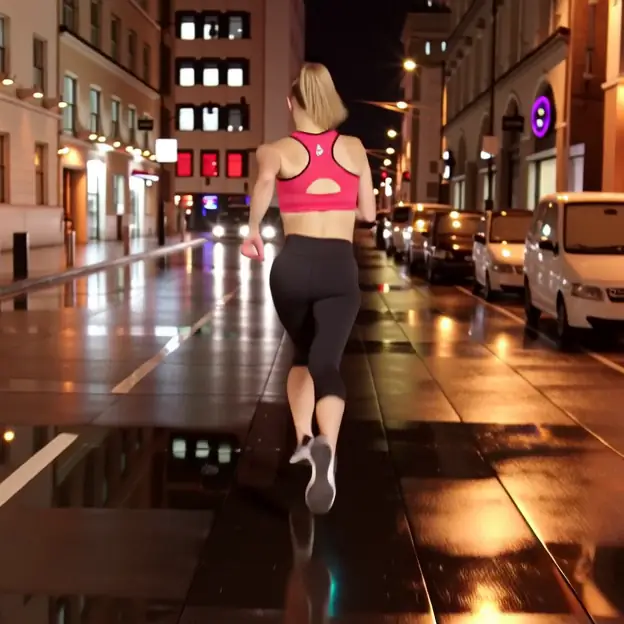
Urban Running Guide for Women: How to Run Safely, Smarter & Stronger in the City
There’s something electric about running in a city.
The rhythm.
The energy.
The feeling that you’re moving through life—not just watching it.
But let’s be honest—urban running isn’t the same as a quiet trail or a suburban loop. It’s dynamic, unpredictable, and sometimes… chaotic.
That doesn’t mean you shouldn’t do it.
It means you should do it smartly.
Because when you understand how to navigate city environments, urban running becomes one of the most empowering, efficient, and energizing workouts you can have.

Why Urban Running Is Actually One of the Best Workouts
City running forces your body—and your brain—to stay engaged.
You’re constantly:
-
adjusting pace
-
navigating terrain
-
reacting to your environment
And that’s a good thing.
The American Heart Association notes that running and brisk activity support cardiovascular health and overall fitness—even when done in shorter, consistent bouts.
Add in the mental stimulation of a city environment, and you’ve got a workout that challenges both body and mind.

The Reality of City Running (And Why Awareness Matters)
Urban environments come with unique risks:
-
Traffic and intersections
-
Distracted drivers
-
Uneven pavement
-
Limited visibility zones
According to the CDC, most pedestrian and cyclist-related incidents occur in urban areas, making awareness and safety strategies especially important.
The goal isn’t fear—it’s prepared confidence.
1. Master the Art of “Defensive Running”
Think like a driver.
Or better yet—think like someone who assumes drivers aren’t paying attention.
The National Highway Traffic Safety Administration emphasizes that pedestrians (including runners) should assume drivers may not see them and act accordingly.
What that looks like in real life:
-
Make eye contact before crossing
-
Don’t assume right of way = safety
-
Slow slightly at intersections
-
Be cautious around turning vehicles
This one mindset shift alone dramatically reduces risk.
2. Visibility Is Your Superpower
Most urban running incidents happen because of one simple issue:
You weren’t seen.
Especially during:
-
Early mornings
-
Evenings
-
Cloudy spring days
-
Shadow-heavy streets
NHTSA recommends wearing bright clothing and reflective materials and using lights when visibility is reduced.
Your Urban Visibility Stack:
-
Light-colored or high-contrast clothing
-
Reflective details
-
Movement-based visibility (ankles, arms)
-
Optional: small clip-on light
At SportPort Active, we integrate 3M™ reflective logos into our activewear—so your visibility is built in, not an afterthought.
Because confidence starts with being seen.

3. Choose Routes Like a Strategist (Not Just a Wanderer)
Not all streets are created equal.
Research from transportation safety studies shows that lower-traffic, lower-speed roads reduce injury risk compared to high-speed arterial roads.
Smart route upgrades:
-
Choose residential streets over main roads
-
Run through parks or mixed-use trails when possible
-
Avoid high-turnover intersections (shopping centers, busy corners)
-
Use running apps or maps to pre-plan routes
A good route isn’t just scenic—it’s strategic.
4. Watch the Ground (Urban Terrain Is Sneaky)
Unlike treadmill running, city surfaces are unpredictable:
-
Cracked sidewalks
-
Curbs
-
Potholes
-
Construction zones
-
Uneven pavement
The CDC highlights environmental hazards like uneven surfaces as a common contributor to falls and injuries.
Quick tip:
Keep your eyes about 10–15 feet ahead, not directly at your feet. This gives your brain time to react without compromising posture.
5. Headphones: Use Them Wisely
We love a good playlist—but awareness matters more.
NHTSA advises staying alert to your surroundings and avoiding distractions while walking or running near traffic.
Best practice:
-
Keep volume low
-
Use one earbud if needed
-
Pause music at busy intersections
Your safety > your playlist (even if it’s Beyoncé).

6. Timing Matters More Than You Think
Urban environments change dramatically depending on time of day.
Safer windows:
-
Early morning (after sunrise)
-
Late afternoon before rush hour peaks
-
Well-lit evening areas
Higher-risk times:
-
Dusk (low visibility)
-
Late night
-
Rush hour traffic peaks
Choose times when you’re visible and drivers are less rushed.
7. Run With Confidence, Not Caution
Here’s something most safety lists won’t tell you:
Running too cautiously can actually make you less predictable.
Drivers respond better to:
-
steady pace
-
clear direction
-
confident movement
When you hesitate, weave, or stop abruptly, you become harder to read.
Confidence isn’t reckless—it’s controlled.
8. The “Urban Run Kit”
You don’t need a lot—but a few essentials make a big difference:
-
Phone (securely stored)
-
ID or emergency contact info
-
Lightweight layer if needed
-
Reflective gear
-
Comfortable, supportive activewear
Your gear should support movement—not distract from it.
The Mental Bonus of Urban Running
Let’s not forget:
Urban running isn’t just physical—it’s mental therapy in motion.
-
You see life happening around you
-
You break out of routine
-
You feel energized by movement and environment
And for busy women, that combination is powerful.
Quick FAQ
Is running in the city safe?
Yes—with awareness. Following safety strategies like visibility, route planning, and defensive running significantly reduces risk.
What should I wear for urban running?
High-visibility clothing, reflective elements, and comfortable, supportive gear that allows full movement.
Can I run with headphones in the city?
Yes, but keep volume low and stay aware of traffic and surroundings.
What’s the best time to run in a city?
Daylight hours or well-lit areas with lower traffic volume.
Final Thoughts
Urban running isn’t about avoiding risk—it’s about understanding it.
When you combine awareness, smart habits, and the right gear, city running becomes:
-
Efficient
-
Energizing
-
Empowering
So lace up, step outside, and claim your space.
Because the city isn’t something to navigate around—it’s something to move through with purpose.
Resources & Expert Links
Fitness Basics | American Heart Association
Pedestrian, Bicycle, and Motorcycle Safety | CDC
CDC – Fall and environmental safety
Low-stress roads and bike lanes improve safety, not just comfort
Read more

Hosting Easter brunch? Try these 4 healthy, chef-inspired recipes—light, flavorful, and perfect for a beautiful spring brunch without the food coma.

No gym? No problem. Discover how bodyweight workouts build strength, burn fat, and improve mobility—plus expert tips for women to stay fit anywhere.