


2025 Wearable Tech Gift Guide: Best Fitness Trackers & Smartwatches for Active Women (With Real Pros & Cons)
If you’ve been thinking, “Maybe I should finally get serious about a fitness tracker”—you’re right on trend.
According to the American College of Sports Medicine’s worldwide survey, wearable technology is the #1 global fitness trend for 2025, with mobile exercise apps close behind. From smartwatches and fitness bands to smart rings and recovery straps, tech is officially part of the modern fitness toolkit.
With Christmas around the corner, this is prime time to:
-
Treat yourself to a wearable that actually supports your lifestyle, or
-
Pick a smart, high‑impact gift for the active women in your life.
This guide breaks down 2025’s highest‑ranked wearable technologies for fitness enthusiasts, with clear pros and cons for each brand—so you can match the device to the woman (not the other way around).
We’ll cover:
-
Apple Watch Series 10
-
Garmin Venu 3
-
Fitbit Charge 6
-
Samsung Galaxy Watch 7
-
Oura Ring 4
-
WHOOP 4.0
And of course, we’ll share how they play with your SportPort Active outfits—especially our EMF‑shielded pockets that make carrying tech feel more intentional and secure.
Wearable Tech in 2025: What’s New & Why It Matters
The 2025 ACSM trends report doesn’t just put wearables at the top of the list—it highlights how they’re evolving: devices now track steps, heart rate, VO₂ max, training load, sleep, stress, menstrual cycles, GPS routes, and more, helping people personalize their training and recovery like never before.
In plain English:
A good wearable can help you move more, sleep better, and train smarter, not just “close rings.”
But “good” looks different depending on your life:
-
iPhone ride‑or‑die? You’ll probably love Apple Watch.
-
Data‑nerd who lives for long walks and runs? Garmin is your girl.
-
Want something light, simple, and budget‑friendly? Fitbit Charge 6 shines.
-
Android household? Samsung Galaxy Watch 7 is a strong contender.
-
Hate wrist gadgets but love sleep data? Oura Ring 4.
-
Obsessed with performance and recovery? WHOOP 4.0.
Let’s dig into each.

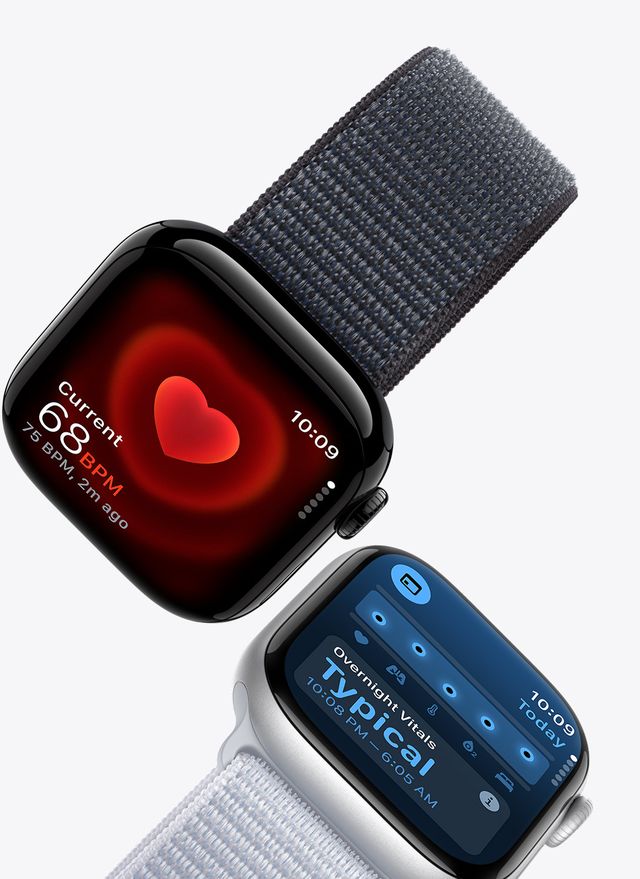
1. Apple Watch Series 10 – Best “All‑Around” for iPhone Women
If you’re already in the Apple universe, Apple Watch Series 10 is the go‑to “do everything” wearable. Reviewers love the bigger display, thinner and lighter design, and fast performance, making it easier to see metrics and navigate workouts.
On the fitness side, watchOS 11 added training load metrics, better sleep trends, and more advanced health features like detection of sleep apnea–related breathing disturbances, plus strong integration with Apple Fitness+ .
Pros
-
Excellent overall health & fitness tracking: heart rate, GPS, HR zones, training load trends, VO₂ estimates, cycle tracking, and more.
-
Best smartwatch features: calls, messages, Apple Pay, huge app ecosystem.
-
Safety features: fall detection, SOS, irregular rhythm notifications (in supported regions).
-
Gorgeous bright, edge‑to‑edge screen that’s easy to read mid‑workout.
Cons
-
Battery life is usually around a day (a bit more with careful settings), so you’ll be charging daily or almost daily.
-
iPhone only. If you ever leave Apple, the watch comes with you… or doesn’t.
-
Some advanced fitness metrics still lean more “general health” than deep sport‑specific coaching (compared to Garmin or WHOOP).
Best for
Suburban women who want one device that does it all—fitness, messages, calendar, and everyday life—and who prefer shorter, frequent workouts, walks, and general activity tracking over ultra‑endurance training.

2. Garmin Venu 3 – Best for Data‑Loving Everyday Athletes
Across multiple 2025 round‑ups, Garmin Venu 3 keeps surfacing as the best overall fitness tracker for most people, thanks to its versatility, accurate metrics, and long battery life. Forbes Vetted and TechGearLab both rank it at or near the top of their fitness tracker lists.
Garmin’s in‑depth review sites highlight excellent sleep tracking with a “Sleep Coach,” nap detection, training readiness metrics, and strong GPS accuracy, plus a built‑in mic/speaker so you can take calls and use your phone’s voice assistant on your wrist.
Pros
-
Serious fitness metrics without feeling overwhelming: training status, VO₂ max, body battery, HRV trends, and more.
-
Great battery life (several days to over a week depending on use)—less charging, more living.
-
No required subscription to unlock core health and training data.
-
Strong sleep, nap, and recovery insights with Sleep Coach and daily summaries.
Cons
-
Smartwatch features (voice assistants, app ecosystem) are less polished than Apple or Samsung.
-
Interface and metrics can feel “a lot” if you’re brand‑new to fitness tracking.
Best for
Women who love walking, running, cycling, or structured gym workouts, want deeper data than a basic band, and prefer longer battery life to “super smart” features.

3. Fitbit Charge 6 – Best Budget‑Friendly, Slim Fitness Band
If you want great fitness tracking without committing to a full smartwatch, the Fitbit Charge 6 is a standout. Multiple reviewers call it one of the best fitness trackers and the best Fitbit under $150, with Woman & Home specifically recommending it as their top sub‑£100 pick during recent sales.
It offers 40+ exercise modes, built‑in GPS, advanced sleep analysis, stress tracking, and Google integration (Maps, Wallet, YouTube Music controls) in a small, comfortable band.
Pros
-
Slim, lightweight design—great if big watches bother you.
-
Accurate heart rate and workout tracking for most everyday activities.
-
Strong sleep and stress metrics (with EDA‑based stress insights).
-
More affordable than most full smartwatches, especially on holiday deals.
Cons
-
For deeper insights and guided programs, you’ll need Fitbit Premium, a paid subscription.
-
Smaller screen and fewer apps than a full smartwatch.
-
Not as rugged or metrics‑rich as Garmin for serious endurance training.
Best for
Women who want an easy, budget‑friendly tracker for steps, sleep, stress, and workouts—without the distraction or bulk of a big watch.

4. Samsung Galaxy Watch 7 – Best Smartwatch for Android Users
For Android (especially Samsung) phones, the Galaxy Watch 7 gives you a sleek smartwatch experience with strong health features. Reviews highlight accurate GPS, detailed sleep insights, and AI‑powered wellness features, plus good battery life—often around 1.5–2 days depending on size and settings.
Pros
-
Excellent sleep tracking and AI‑driven AI‑driven wellness insights (like Energy Score).
-
Accurate GPS and workout data for most everyday training.
-
Full smartwatch experience with calls, texts, Wear OS apps, and contactless payments.
-
Great value lately due to strong discounts leading into the AI‑driven 2025 holiday season.
Cons
-
Works best in the Samsung ecosystem; some features limited on other Android phones.
-
Battery life is good but not in Garmin territory—expect charging every 1–2 days.
Best for
Android‑using women who want a stylish, capable smartwatch that balances health features (sleep, stress, workouts) with everyday convenience.

5. Oura Ring 4 – Best for Sleep, Recovery & “I Don’t Want Something on My Wrist”
Smart rings have exploded, and the Oura Ring 4 is widely considered the gold standard in this category. Recent reviews praise its excellent sleep tracking, strong recovery insights, long battery life (about 6–8 days), and jewelry‑like design that’s easy to forget you’re wearing.
It tracks heart rate, HRV, SpO₂, temperature, stress, sleep stages, and readiness, and integrates with Apple Health, Google Health, and Strava.
Pros
-
Ultra‑discreet form factor —looks like a sleek ring, not a gadget.
-
Some of the best sleep metrics and coaching on the market.
-
Multi‑day battery life (often close to a week).
-
Great for women who love recovery, stress, and cycle tracking more than on‑wrist notifications.
Cons
-
Requires an ongoing membership (~$5.99/month) to unlock full data and insights; without it, you lose granularity.
-
No screen—you must open the app to see data.
-
Activity detection and step counting are less polished than some smartwatches.
-
Like all smart rings, it relies on a small battery; recent coverage has raised general caution about long‑term battery wear and rare swelling issues across brands.
Best for
Women who care most about sleep, recovery, stress, and overall wellness, want a minimalist look, and don’t need a watch screen buzzing on their wrist all day.

6. WHOOP 4.0 – Best for Recovery‑Obsessed, Data‑Driven Training
WHOOP 4.0 is a different beast: it’s not a watch at all, but a screen‑less strap (worn on wrist, bicep, or in specialized clothing) that focuses on HRV, sleep, strain, and recovery, with coaching built into the app. Tech review sites and elite‑training communities love it for deep strain and recovery metrics, especially if you already train consistently.
Pros
-
24/7 physiological tracking: HRV, resting HR, sleep stages, skin temp, SpO₂, and “Strain” vs. “Recovery” scores.
-
Coaching guidance: tells you when to push and when to rest.
-
Multiple wear options (wrist, bicep, WHOOP‑integrated garments).
-
4–5 day battery life with slide‑on charger so you don’t have to take it off.
Cons
-
Subscription model: you pay for membership rather than the hardware alone, and costs add up over time.
-
No screen, no steps, no watch features—this is purely a training and recovery tool.
-
Some users find the constant data a bit obsessive or notice app and charging quirks, and the newest “MG” variant has had reported reliability issues.
Best for
Women who already have consistent training routines, love data, and want a coach‑style tool to tell them how hard to go and when to back off.
Quick Comparison: Which Wearable Fits You?
-
“I want one device for everything—and I have an iPhone.”
→ Apple Watch Series 10 -
“I care more about accurate fitness data and battery than apps.”
→ Garmin Venu 3 -
“I want something slim, simple, and not crazy expensive.”
→ Fitbit Charge 6 -
“I’m an Android/Samsung girl and want a true smartwatch.”
→ Samsung Galaxy Watch 7 -
“I don’t want a watch at all—just sleep and wellness tracking.”
→ Oura Ring 4 -
“I train hard and really care about recovery.”
→ WHOOP 4.0

How SportPort Active Fits In (Literally)
No matter which wearable you choose, you’ll probably still be carrying a phone for apps, GPS, music, and safety features. That’s where your outfit matters.
At SportPort Active, we design luxury women’s activewear with:
-
Patented EMF‑shielded phone pockets in select sports bras & jackets (for women who prefer more mindful phone storage close to the body).
-
Secure, bounce‑free pockets for phones and keys, so your tech stays put on walks, runs, or stair sessions.
-
High‑performance, squat‑proof fabrics tested by real athletes —from yoga instructors to marathoners and bodybuilders.
Think of your wearable + SportPort outfit as your daily performance system: tech for tracking, clothing for comfort and confidence.
Final Takeaway
Wearable technology isn’t just a gadget trend—it’s a top global fitness trend for 2025 and a powerful way to keep yourself accountable, informed, and inspired.
Whether you’re gifting one or finally upgrading your own, choose the device that matches your real life: your phone, your style, your workouts, your goals. Then pair it with SportPort Active pieces that keep your tech secure, your body supported, and your movement absolutely unstoppable.
Wrap-up The Perfect Fitness Tracker Gift!
Best Fitness Tracker Ring: Oura Ring Gen 4
Best Fitness Tracker for Everyday Use: FitBit Charge 6
Best Fitness Tracker for Sleep: Whoop 5.0
Best Fitness Tracker With Heart Rate Monitor: FitBit Inspire 3
Most Stylish Fitness Tracker: UltraHuman Ring Air
Best Fitness Tracker Watch: Withings ScanWatch Light
Best Fitness Tracker for Running: Coros Apex 2
Best Budget Fitness Tracker Xiaomi Mi Smart Band 7
Best Battery Life Fitness Tracker: Garmin Fenix 8 – AMOLED
Best Fitness Tracker for Android: Samsung Galaxy Watch5
Best Fitness Tracker for iPhone Users: Apple Watch Series 10
Best Garmin Fitness Tracker: Garmin Forerunner 965
Best Overall Fitness Tracker: Garmin vivoactive 6
Read more
Traveling for Thanksgiving? Try these hotel room, stair, and no‑equipment workouts—quick, fun holiday travel fitness tips for busy, active women.
Discover the hybrid fitness trend—mix at-home apps, boutique studio classes, and outdoor workouts for a flexible routine that fits real life.