



ChiRunning in 2026: The Low-Impact Running Trend Every Active Woman Should Know About
If you’ve ever thought, “I wish I could run, but my knees/back/hips say no,” 2026 might be your year.
Search data and trend reports show a big shift toward low-impact, form-focused, longevity-friendly workouts—think walking, mobility, technique drills, and Zone 2 cardio.
One name that keeps resurfacing in this “run softer, last longer” conversation is ChiRunning (often mis-typed as “Chia running”). And if you’re a suburban woman 30–50 juggling life, kids, and a busy schedule, the ChiRunning approach might be exactly what you’ve been hoping running could feel like.
Let’s break down what ChiRunning is, what’s new in 2026, and how to try it safely—even if you’ve been “not a runner” for years.

What Is ChiRunning, Really?
ChiRunning is a running technique created in the late 1990s by Danny Dreyer, a runner and long-time T’ai Chi practitioner.
Instead of just telling you to “run more,” ChiRunning teaches you to:
-
Run with a tall, relaxed posture
-
Use a slight forward lean from the ankles (not the waist)
-
Land with a midfoot strike under your center of mass
-
Let your core and gravity do more of the work
-
Keep your legs light and your stride quick and smooth
The official ChiRunning site describes it as “a safe, efficient, natural running technique” designed to make running more effortless and less injury-prone, built on the movement principles of T’ai Chi: relaxation, alignment, and flow.

Why ChiRunning Is Having a 2026 Moment
Across multiple 2026 trend reports, fitness pros predict a continued rise in:
-
Low-impact cardio and joint-friendly training
-
Technique-focused workouts that emphasize efficiency
-
Active-aging and longevity-driven programs, even for 30- and 40-somethings thinking ahead
ChiRunning sits right at the intersection of all three:
-
It’s softer on the body than pounding the pavement with heavy heel strikes.
-
It’s skill-based—you’re learning a technique, not just grinding out miles.
-
It fits beautifully with Zone 2 running and “easy miles,” which are trending as more women focus on long-term heart health, fat metabolism, and stress relief rather than constant HIIT.
For busy women who want cardio, fresh air, and stress relief—but not another injury—ChiRunning offers a more mindful, sustainable way to run.
What the Science & Experts Say (Beyond the Hype)
ChiRunning isn’t just a vibe; there’s some research and expert commentary behind it—though like many technique methods, the evidence is still developing.
1. Gait & Impact Studies
Early work at the University of North Carolina compared ChiRunning-style mechanics with more traditional rearfoot and forefoot striking. While that dissertation-level study isn’t a huge clinical trial, it suggested that ChiRunning mechanics can reduce impact loading and alter how forces travel through the legs—potentially lowering knee stress.
2. Injury Surveys
A 2019 news report from Family Practice News (MDedge) described “Modified Running Technique Reduced Injuries”, also includes a survey of 2,500 runners who adopted ChiRunning. Injury rates among these recreational runners dropped significantly compared with their pre-ChiRunning years.
3. Gait & Cardiovascular Risk Paper (2025)
A 2025 review on ChiRunning and cardiovascular risk noted that, although data are still limited, ChiRunning appears to improve running gait and may reduce injury risk compared to traditional running styles—especially relevant for people with higher cardiovascular risk who need lower-impact options.
4. Expert Coaches & Mindful Running Leaders
Recent features and podcasts with Danny Dreyer and ChiRunning instructors continue to emphasize:
-
ChiRunning as a tool for efficiency + injury prevention
-
The role of core strength and posture in taking stress off knees and feet
-
Running as a mindful, meditative practice, not a punishment
What’s New in 2026 for ChiRunning
So what’s actually different now, vs ten years ago when the first ChiRunning book came out?
1. ChiRunning Meets Zone 2 & Longevity Training
With Zone 2 cardio (conversational-pace training) and longevity-focused fitness trending hard in 2026, more coaches are talking about ChiRunning as a technique for sustainable easy running—not just performance.
You’ll see:
-
Walk-run-ChiRunning combos for new or returning runners
-
Gentle ChiRunning form drills integrated into Zone 2 days
-
Programs marketed specifically for women 35+ who want heart health, not PRs

2. Online ChiRunning Courses & Virtual Coaching
Post-pandemic, everything has a Zoom version—and ChiRunning is no exception. The official ChiLiving site now offers online workshops, virtual coaching, and digital form check-ins, making it easier to learn the basics without traveling to a clinic.
3. Integration with Gait Analysis & Wearables
More physical therapists and running labs are offering:
-
Slow-motion video gait analysis
-
Treadmill sessions where you can compare “before” and “after” ChiRunning cues
-
Data from wearables (ground contact time, cadence) to support technique changes
While this is more expert-driven than peer-reviewed yet, it’s part of the real-world “what’s new” for ChiRunning in 2026.
4. ChiWalking as a Bridge for Non-Runners
Another 2026 trend: walking is officially cool again. Search data and gym trend analyses show walking and mobility topping the charts as low-barrier, high-benefit movement.
ChiWalking—using similar principles of posture, lean, and core engagement—has become:
-
A gateway for people who don’t yet feel ready to run
-
A tool for cross-training and active recovery
-
An approachable option for women easing back into impact after injury or pregnancy

How to Try ChiRunning in 2026 (Without Breaking Yourself)
Here’s a simple, result-focused mini plan tailored to a busy SportPort Active woman:
Step 1: Start with Standing Posture
-
Imagine a string gently lifting the crown of your head.
-
Stack ears over shoulders, shoulders over hips, hips over midfoot.
-
Soften your knees and keep your upper body relaxed.
Do this while brushing your teeth, waiting for coffee, or in line at school pick-up. Building posture habits first makes running feel smoother later.
Step 2: Add a Gentle Forward Lean & Short Steps
On your next walk:
-
From that tall posture, lean slightly forward from the ankles until your body “wants” to move.
-
Keep your stride short and quick, landing with your foot under you—not reaching way out in front.
Do 30–60 second “Chi form” intervals during a walk, then relax. No pressure, just exploration.
Step 3: Try Walk–Run–Chi Intervals
When you’re ready:
-
1 minute easy jog with Chi cues → 2–3 minutes walk
-
Repeat 6–10 times, 2–3 days per week
Focus on:
-
Relaxed shoulders and arms
-
Quiet feet
-
Breathing you can still talk through
This is not about speed. It’s about giving your body a new, more forgiving pattern to practice.
Step 4: Wear Gear That Supports Soft, Efficient Movement
What you wear absolutely affects how your ChiRunning experiments feel:
-
A high-support, chafe-free women’s sports bra so you’re not holding your posture weird to compensate.
-
Soft, stretchy compression leggings that move with you and don’t slide down mid-run.
-
A light, breathable layer (like our Polartec® pieces) if you’re running in cooler weather.
-
Secure pockets—like our EMF-shielded phone pocket sports bras and zip pockets—so you can bring your phone for music or GPS without messing up your arm swing.
Small comfort details mean you can focus on form and flow, not tugging and adjusting.

Final Thought
You don’t have to choose between never running and running through pain.
In 2026, with the rise of ChiRunning, ChiWalking, and form-focused training, there’s a third option: run smarter, softer, and more mindfully—in a way your joints and nervous system can actually get behind.
If your heart secretly loves the idea of running but your knees, hips, or schedule have been protesting, consider this your permission slip to try something new.
Lace up, slip into your favorite SportPort Active set, practice a few ChiRunning cues on your next walk, and see how it feels to let gravity—and good form—do more of the work.
👉 Learn More From the Source
ChiLiving/Injury Prevention Recovery
Amazon.com/ChiRunning Revolutionary Approach Effortless Injury Free
Read more
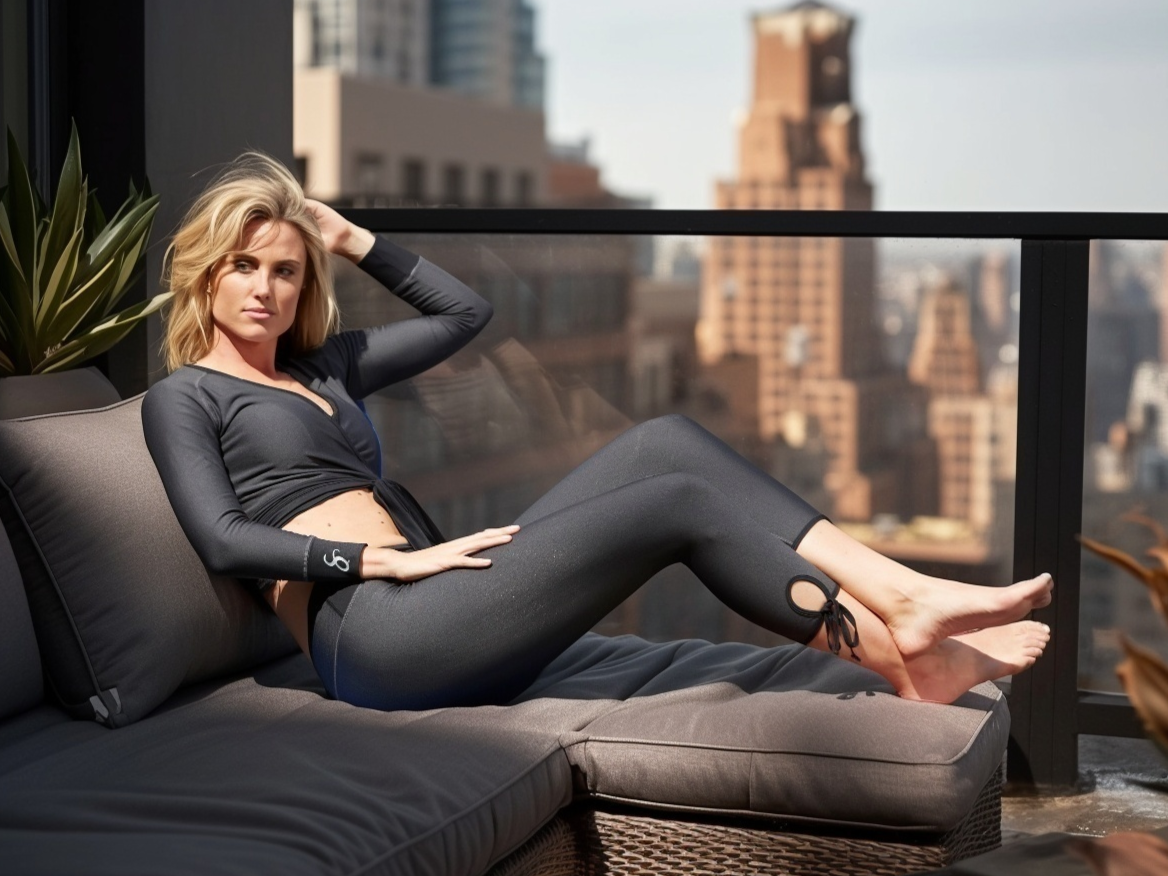
Upgrade your yoga wardrobe with SportPort Active’s custom Polartec® Power Stretch wrap top & ankle tie leggings—plush, UPF 50+, anti-chafe, and made in the USA.

Celebrate Valentine’s Day with healthy, high-flavor desserts. Dark chocolate, berries, chia & Greek yogurt recipes that feel decadent—without the sugar crash.