


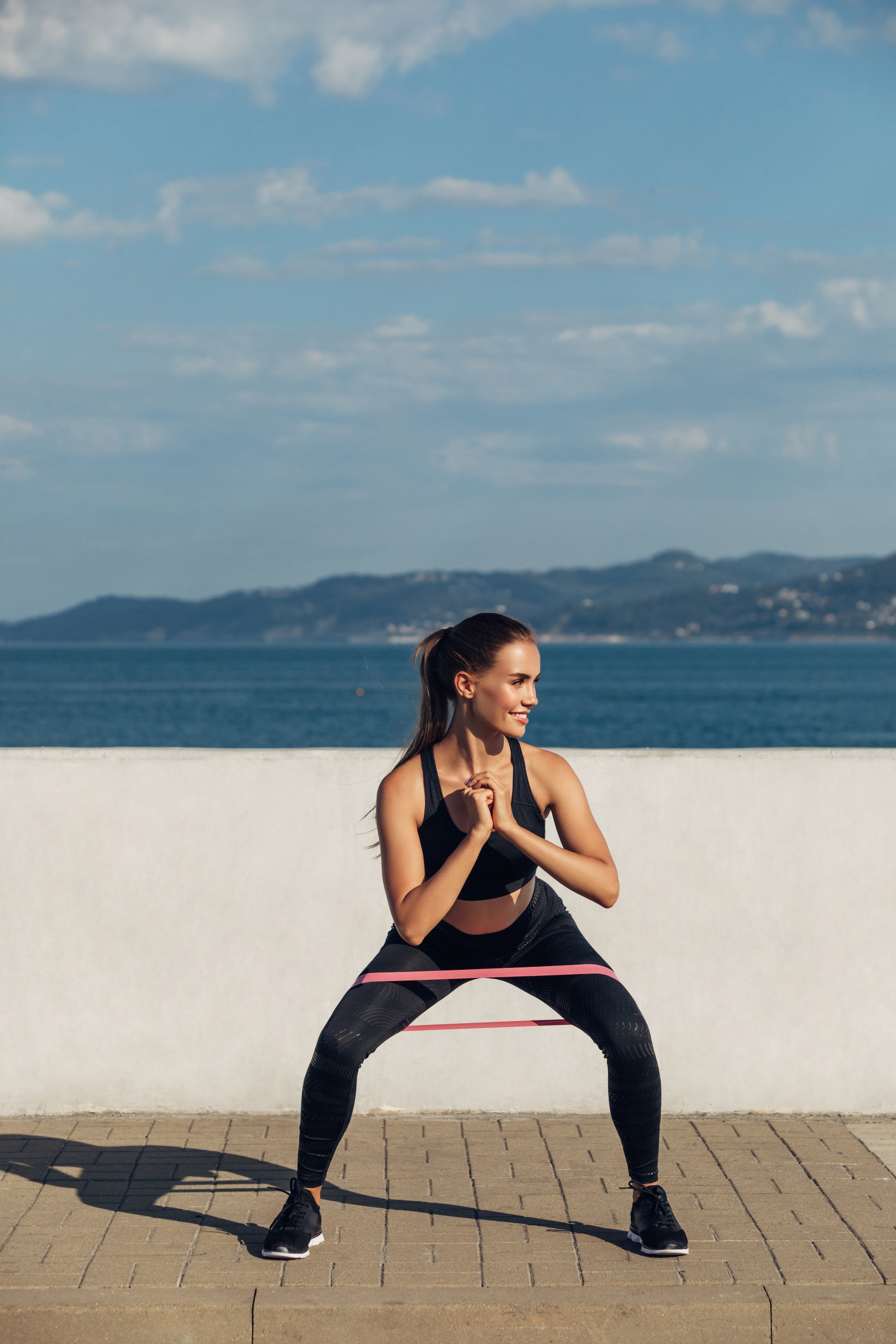
Collagen & Muscle in Women: What the Science Really Says for 2026 (Beyond Skin & Hair)
Collagen used to live in the beauty aisle. Now it’s in your coffee, your gummies, your matcha, and your “hot girl walk” water bottle.
Google search data and industry reports show collagen has become one of the most searched and fastest-growing supplements worldwide, driven largely by women who want better skin, joints—and increasingly, better muscle tone and strength.
But here’s the question our SportPort Active community keeps asking:
“Can collagen actually help women build muscle—or is it just expensive hype?”
Let’s walk through what scientists have found so far, what’s still fuzzy, and how to think about collagen if your 2026 goals include strength, muscle tone, and moving well in your favorite leggings.
Collagen 101: Not Your Typical “Muscle Protein”
Collagen is the most abundant protein in your body. It’s the structural backbone of:
-
Tendons and ligaments
-
Fascia and connective tissue
-
Cartilage and bone
-
And yes—your skin
It’s rich in amino acids like glycine, proline, and hydroxyproline, but relatively low in leucine, the key amino acid that triggers muscle protein synthesis (MPS) after resistance training.
That’s important because:
-
Traditional muscle-building proteins (whey, soy, eggs, meat) are high in leucine and essential amino acids.
-
Collagen is not a complete protein and isn’t nearly as potent at “switching on” MPS in muscle.
A much-cited trial from Oikawa and colleagues found that whey protein significantly increased muscle protein synthesis in older adults, while collagen protein did not, despite both being taken after resistance exercise.
So if collagen isn’t a classic muscle protein… why are so many strength and performance researchers still interested?
Because muscle isn’t just the fibers that contract. It’s also the extracellular matrix (ECM)—a collagen-rich “scaffolding” that helps transmit force, stabilize joints, and absorb impact. That’s where collagen might matter.
What Studies in Women Have Actually Found

1. Premenopausal Women: Collagen + Lifting vs Lifting Alone
One of the most important trials for women is a 2019 randomized, double-blind study by Patrick Jendricke and colleagues.
-
Who: 77 premenopausal women
-
What: 12 weeks of resistance training (3x/week)
-
Supplements: 15 g/day of specific collagen peptides vs placebo
-
Results:
-
Both groups gained fat-free mass (muscle + other lean tissue) and strength.
-
The collagen group had a significantly greater increase in fat-free mass and a greater reduction in body fat.
-
Handgrip and leg strength improved more in the collagen group as well.
Takeaway:
For premenopausal women lifting regularly, collagen plus training outperformed training alone for body composition and strength—but collagen wasn’t magic on its own; it was an adjunct to consistent resistance training.

2. Active Midlife Adults (45–65): 24 Weeks of Collagen
A 2025 trial led by Carlos Elvira Aranda looked at active adults with joint discomfort (45–65 years old, 45 women / 45 men):
-
All participants followed a 24-week exercise program.
-
One group took hydrolyzed collagen; the other took a placebo.
-
Women in the collagen group saw:
-
Greater improvements in cardiorespiratory fitness
-
More fat loss vs placebo
-
Men in the collagen group showed greater gains in some measures of muscle mass.
Takeaway:
In active midlife adults (including women), collagen plus training may enhance some fitness outcomes—especially body composition and cardiorespiratory fitness—though results are modest and vary by sex.
3. Meta-Analyses & Systematic Reviews: What Do They Say Overall?
Recent big-picture papers synthesize all these trials:
-
A 2024 meta-analysis by Bischof et al. concluded that long-term collagen peptide supplementation (≥2 months) alongside resistance training may improve muscle size and maximal strength, but the overall evidence quality is low and more research is needed—especially in women.
-
A 2025 systematic review on type I collagen hydrolysate found beneficial effects on bones, joints, and some muscle performance metrics, but again emphasized that most robust improvements are seen when collagen is paired with structured training.
-
A 2022 review by Holwerda and colleagues noted that a year-long collagen supplement didn’t change muscle mass or strength versus carbohydrate control in healthy older men and women—highlighting that collagen is not a standalone hypertrophy solution.
Overall:
Collagen plus exercise looks promising as a small performance booster, especially for adults and midlife women, but it’s not as powerful as higher-quality protein when it comes to directly building muscle.

Collagen vs Whey: Bricks vs Connective “Scaffolding”
A helpful analogy:
-
Whey, soy, eggs, meat = bricks.
-
High in leucine and essential amino acids
-
Directly stimulate muscle protein synthesis
-
Collagen = scaffolding & “glue.”
-
Rich in glycine, proline, hydroxyproline
-
Supports the connective tissues and extracellular matrix that surround muscle and anchor it to bone
Keith Baar, PhD—an exercise physiologist at UC Davis and a leading researcher on collagen, tendons, and ligaments—has published work showing that vitamin C–enriched gelatin/collagen taken before loading exercise (like jumping or skipping) can increase collagen synthesis in connective tissues.
Other trials from his field show:
-
Specific collagen peptides may enhance tendon adaptation to heavy resistance training (e.g., patellar tendon structure improvements).
-
Collagen plus training may support explosive and reactive strength, likely by remodeling the ECM so muscles can transmit force more efficiently.
So for women who care about joint comfort, tendon resilience, and power (hello, pickleball, running, and lifting), collagen may help you tolerate more training and recover better, even if it’s not the main driver of muscle size.
Collagen in Midlife & Menopause: Not Just About Skin
Most collagen marketing to women focuses on skin and hair, but a lot of the meaningful research is actually around bone and musculoskeletal health:
-
A 12-month RCT in postmenopausal women found that 5 g/day of specific collagen peptides significantly improved bone mineral density in the spine and femoral neck and shifted bone markers toward more bone formation and less breakdown.
-
Reviews on menopausal health suggest collagen peptides may support bone strength, joint comfort, and lean mass maintenance when combined with resistance training and adequate overall protein.
For women navigating perimenopause and beyond—where muscle loss and bone loss accelerate—that connective tissue support can indirectly support strength, balance, and injury resilience.
So… Can Collagen Help Women Build Muscle?
Short answer: yes—a little—but only in the right context.
What the data do support:
-
Collagen peptide supplements (~10–15 g/day) plus consistent resistance training can:
-
Improve fat-free mass and strength more than training alone in some studies (including premenopausal women)
-
Help with body composition and performance in midlife adults with joint discomfort
-
Enhance tendon and connective tissue adaptation, potentially improving power and lowering injury risk
What the data do not support:
-
Collagen as a replacement for high-quality proteins (whey, soy, eggs, lean meats, dairy).
-
Collagen as a standalone muscle-builder without resistance training.
-
Collagen as a magic fix for poor sleep, low total protein intake, or inconsistent workouts.
If your total daily protein is low, experts consistently recommend fixing that first (aiming for ~1.6–2.2 g/kg/day for women pursuing strength and muscle) before spending money on specialty peptides.
How to Use Collagen Smartly in Your 2026 Training Plan
If you choose to experiment with collagen, here’s a science-informed, realistic way to do it:
1. Treat Collagen as a Bonus, Not Your Base
Focus your main protein intake on:
-
Greek yogurt, skyr, cottage cheese
-
Eggs and egg whites
-
Fish, poultry, lean red meat
-
Soy, tofu, tempeh, edamame
-
Whey or soy protein powders
Then add collagen (10–15 g/day) on top—especially if you’re training hard or caring for joint/tendon health.
2. Pair Collagen with Vitamin C and Loading
Following Keith Baar’s work:
-
Take collagen or gelatin with a source of vitamin C (e.g., orange juice, berries, kiwi)
-
Roughly 30–60 minutes before you load the tissues you care about (lifting, jumping, running, hiking)
This combo appears to boost collagen synthesis in tendons and ligaments—your “force transfer cables.”
3. Combine It with Progressive Strength Training
Collagen studies that show muscle and strength benefits always include resistance training:
-
2–3 full-body strength sessions per week
-
Progressive overload (heavier weights, more reps, or more sets over time)
-
Exercises that load major muscle groups and their connective tissues (squats, deadlifts, lunges, presses, pulls, jumps as tolerated)
Think of collagen as extra building material while your workouts send the “remodel this tissue” signal.
4. Know When to Save Your Money
You might skip collagen (or de-prioritize it) if:
-
Your daily protein intake is already borderline or low (fix that first).
-
Your budget is tight and basic nutrition, sleep, and training need attention.
-
You don’t have joint or tendon issues and you’re not interested in subtle performance tweaks.
Sports nutrition reviews consistently show bigger returns from:
-
Hitting total protein targets
-
Following a structured strength plan
-
Sleeping enough
-
Managing overall stress
Collagen is the refinement layer—not the foundation.
A Different Kind of “New Year, New You”
Collagen isn’t a miracle powder—but it can be a smart ally if you understand what it actually does.
If you decide to try it, think in terms of stronger connective tissue, better training tolerance, and subtle boosts to strength and composition—alongside your real muscle builders: protein, progressive training, recovery, and a lifestyle that lets you move consistently.
And when you’re ready to lift, lunge, or hit those post-dinner walks, zip into your Sportport Active gear, slip your phone into that secure pocket, and let your 2026 muscles—and the collagen around them—earn every rep.
Bonus: Top 5 Collagen Brands to Explore
“If you’d like a starting point for comparing products, here are some of the top-rated collagen powders on the market right now, based on independent review rankings.”
Always check with your healthcare provider before starting any new supplement, especially if you’re pregnant, nursing, on medication, or have medical conditions.
-
Primal Collagen – Primal Harvest
-
Hydrolyzed bovine collagen types I & III (grass-fed, pasture-raised)
-
Neutral flavor, designed for excellent mixability (GelcoPEP® technology)
-
About 10 g collagen / 9 g protein per scoop, plus a small amount of calcium
-
Made in the USA with globally sourced ingredients, third-party lab tested
👉 Primal Collagen by Primal Harvest -
Multi Collagen – BeautyLux
-
Multi-source formula: bovine, marine, chicken & eggshell membrane collagen
-
Provides collagen types I, II, III, V & X
-
Unflavored powder that dissolves well with no strong aftertaste
👉 BeautyLux Multi Collagen (scroll to “Multi Collagen by BeautyLux”) -
Collagen Peptides – Vital Proteins
-
20 g collagen per serving from grass-fed, pasture-raised bovine
-
Gluten- and dairy-free, neutral flavor
-
Solid “classic” collagen choice, though it does contain about 110 mg sodium per serving
👉 Vital Proteins Collagen Peptides -
Multi Collagen Protein – Ancient Nutrition
-
Multi collagen formula with types I, II, III, V & X
-
~10 g hydrolyzed collagen per scoop
-
Includes added vitamin C & probiotics, with a relatively neutral flavor
👉 Ancient Nutrition Multi Collagen Protein -
Super Youth Collagen – SkinnyFit
-
Multi-source collagen (bovine, fish, chicken & eggshell membrane)
-
About 7 g collagen / 7 g protein per serving
-
Includes added baobab fiber, prebiotics & probiotics, vitamin C, ACV & hyaluronic acid
👉 Super Youth Collagen by SkinnyFit
Read more
Start 2026 with less back pain and better posture. Discover expert-backed back strengthening exercises you can do at home in 15 minutes—no gym required.

Upgrade your yoga wardrobe with SportPort Active’s custom Polartec® Power Stretch wrap top & ankle tie leggings—plush, UPF 50+, anti-chafe, and made in the USA.