


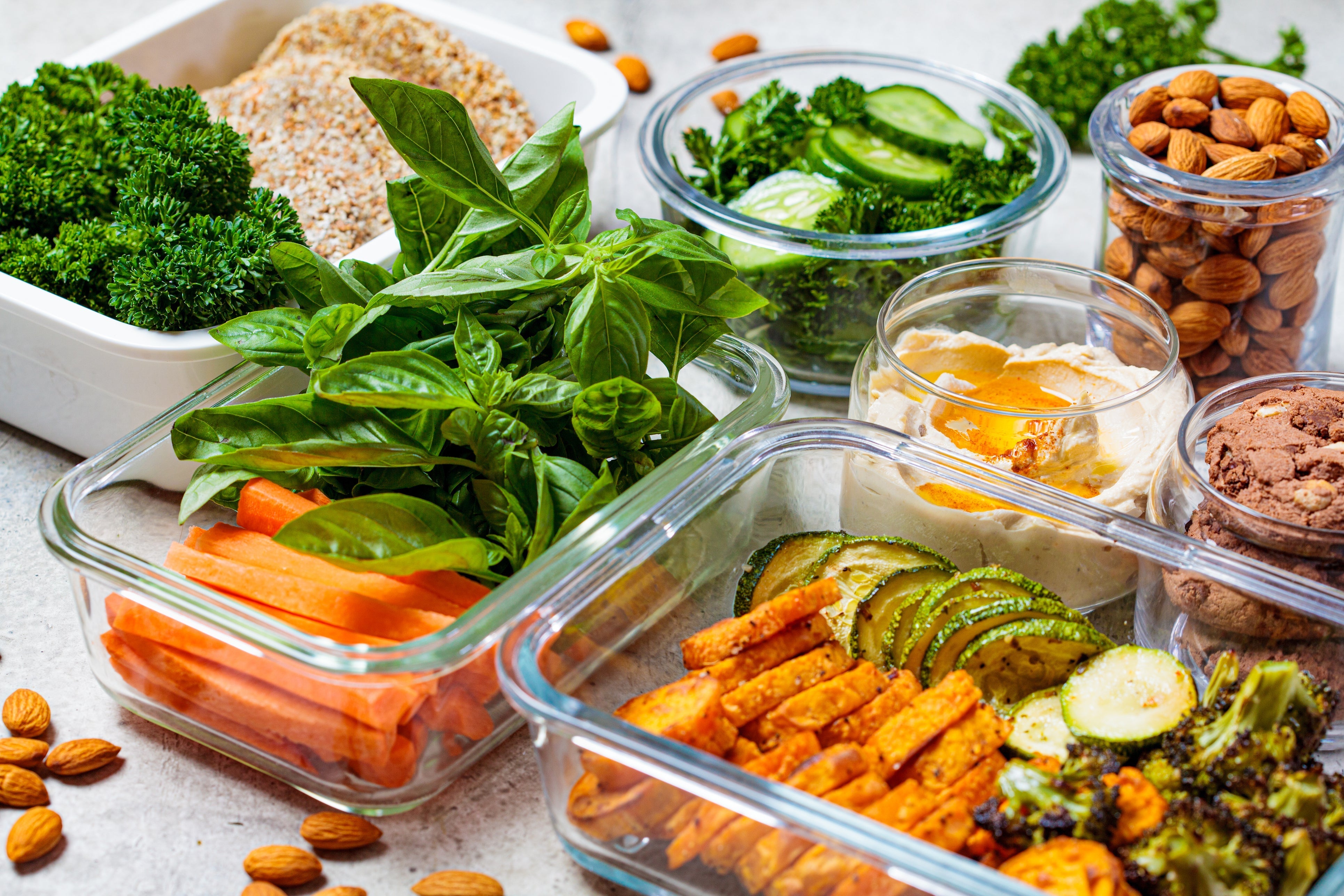
New Year, Steady Energy: Surprising Ways to Keep Your Glucose Happy in 2026
If your “New Year, New Me” resolutions have ever turned into “New Year, Same Sugar Crash at 3 p.m.,” you’re in good company. You don’t have to be diabetic or pre-diabetic for glucose swings to affect your life.
A 2023 study using continuous glucose monitoring (CGM) in healthy adults found that meal-to-meal glucose spikes vary a lot from person to person—and bigger spikes were linked to more hunger, worse sleep, and lower mental well-being.
So keeping your blood sugar steadier isn’t just about lab numbers. It’s about:
-
More stable energy
-
Fewer “I need sugar now” emergencies
-
Better mood and sleep
-
And yes… fewer “why did I say that?” moments after a crash
The good news: you don’t need a crazy restrictive diet. Some of the coolest research right now is about tiny, doable habits that quietly smooth out glucose spikes—things like 10-minute walks, how you sequence your food, and breaking up long sitting spells.
Let’s walk through (literally) some original, science-backed strategies to keep your glucose in check in 2026.
1. The 10-Minute Magic: Walk Right After You Eat
You’ve probably heard “walking after dinner is good for digestion.” The 2026 version of that advice is way more specific—and way more interesting.
A 2025 randomized trial found that a 10-minute walk immediately after a meal significantly lowered peak glucose compared with just sitting or taking a longer 30-minute walk later.
Other studies and reviews echo this:
-
Walking as soon as possible after a meal has a stronger impact on taming post-meal spikes than walking the same amount of time before you eat.
-
UCLA Health recently highlighted post-meal walks as a simple, powerful way to help muscles soak up glucose—glutes, quads, hamstrings, and even back muscles act like a sponge for the sugar floating around after you eat.
How to Use This in Real Life
Instead of:
“I’ll do a 45-minute workout later… maybe… if nothing comes up.”
Try:
“I do a 10-minute walk right after one or two meals a day.”
Ideas:
-
Walk the cul-de-sac or block while your kids clear the table.
-
Do loops in your house or up and down the stairs if it’s dark/cold.
-
Put on a podcast, tuck your phone safely into your SportPort Active EMF-shielded sports bra pocket, and just move.
It’s short enough that you’ll actually do it—and long enough to make a measurable difference.

2. Beat Spikes by Breaking Up Your Sitting, Not Just “Working Out”
Here’s a very un-Instagrammable truth: your “all-or-nothing” workouts may matter less for glucose than how long you sit between them.
Multiple studies show that interrupting long sitting with tiny movement breaks—60–300 seconds of light walking or standing—can significantly lower post-meal glucose and insulin compared with sitting still, sometimes even more than a single structured workout.
Think:
-
2–5 minutes of walking or standing every 20–30 minutes
-
Light “exercise snacks” throughout the day
One 2024 review concluded that breaking up sitting every 20–30 minutes benefits blood glucose in healthy, overweight, obese, and inactive adults, as well as those with impaired glucose tolerance and diabetes.
Micro-Movement Ideas for a “Glucose-Friendly” Day
-
Stand or pace during at least one call per hour.
-
Do 10 bodyweight squats each time you refill your water.
-
Walk to the mailbox after emails, not just once a day.
Your CGM (if you wear one) or energy levels will often show that these tiny interruptions matter more than you’d think.

3. Food Sequencing: Eat in an Order Your Glucose Will Love
Here’s a 2026-level upgrade that still feels weirdly simple:
Eat fiber and protein first, carbs last.
A growing number of clinical trials show that the order in which you eat your food—not just what you eat—can change your post-meal glucose curve.
Key findings:
-
Eating vegetables before carbs reduces post-meal glucose spikes in people with diabetes and those with normal glucose tolerance.
-
Studies where people ate veggies and protein first, carbs last showed significantly lower glucose and insulin levels, plus better satiety, compared with eating everything together or carbs first.
-
Ohio State and other experts suggest “veggies → protein → carbs” as an easy, realistic strategy for blunting spikes.
How to Do This Without Being Weird at Dinner
You don’t have to dissect every meal with tweezers. Just nudge the order:
-
Start with a side salad or veggies (fiber first).
-
Take a few bites of protein (chicken, fish, tofu, beans).
-
Then dive into your rice, pasta, bread, or dessert.
Even if you can’t do it perfectly (hello, mixed bowls), doing this for some meals, most days can help smooth your curves. It’s like giving your carbs a fiber + protein “buffer jacket.”
4. “See for Yourself” – Gentle Experimenting with Wearables & CGM
One of the biggest reasons glucose conversations have exploded online is the rise of continuous glucose monitors (CGMs) and smart wearables.
A 2023 study using CGMs in healthy adults showed:
-
Huge individual differences in glucose responses to the same carbohydrate load
-
Bigger spikes were associated with more hunger, worse sleep, and lower mental health scores
In 2025, Oura announced AI-powered glucose tracking and meal logging in partnership with Dexcom’s over-the-counter Stelo CGM, highlighting how mainstream metabolic tracking is becoming—even outside diabetes care.
What This Means for You
You do not need a CGM to be healthy. But if you’re curious, and your doctor agrees it’s appropriate, a short-term experiment can teach you:
-
Which breakfasts keep you full vs. which leave you hunting for snacks at 10 a.m.
-
How a 10-minute walk after pizza changes your curve vs. no walk.
-
Whether that “healthy” granola bar is actually spiking you as much as a cookie.
Think of it as personalized biofeedback, not a permanent accessory. And if you’d rather skip sensors altogether, you can still track:
-
Energy
-
Mood
-
Cravings
-
Sleep
…when you change one glucose-friendly habit at a time.
5. Retrain Sugar Cravings (Without Going at War with Dessert)
Neuroscientist Dr. Andrew Huberman and metabolic specialist Dr. Casey Means have both talked extensively about how sugar and ultra-processed foods interact with our dopamine and reward systems—aka, why one cookie easily becomes five.
The less mainstream piece isn’t “never eat sugar again.” It’s: Change how often your brain expects intense sweetness. Over time, that can reduce cravings and blunt the urge to “chase the spike.”
Tools (Based on Their Science-Backed Tips)
-
Savoury or lower-sugar breakfast
-
Starting the day with protein + fiber (eggs + veggies, Greek yogurt + nuts) instead of pastries can reduce all-day sugar hunting.
-
Delay dessert by 10–20 minutes & walk
-
Eat your meal (with veggies/protein first), take a short walk, then enjoy something sweet. You’ll likely see a flatter glucose curve and feel more satisfied with less.
-
Swap ultra-processed sweets for “whole-food sweet” sometimes
-
Think dates + nut butter, dark chocolate + nuts, or fruit + yogurt. Less processed, more fiber, and still emotionally satisfying.
The point isn’t to eliminate joy from your plate; it’s to make joy compatible with steady energy.
6. New Year, Steady-Glucose Day: A Sample Blueprint
Here’s what a glucose-friendly day could look like for you in 2026—no perfection required.
Morning
-
Breakfast: Veggie omelet + small piece of toast (protein/fiber first, carbs last)
-
Short 10-minute walk after eating
Mid-Morning
-
Stand or walk for 2–3 minutes every 30 minutes of computer time
Lunch
-
Salad or steamed veggies → protein (chicken, tofu, beans) → then rice/pasta
-
5–10 minute walk (hallway, parking lot, neighborhood)
Afternoon
-
Snack: Greek yogurt + nuts + berries (instead of candy or chips)
-
Movement snacks: light stretching, pacing on calls
Dinner
-
Veggie soup or salad first → main dish → then carbs
-
10-minute “after dinner stroll” with a podcast, partner, or kid
Evening
-
Dessert if you want it—after the walk, preferably paired with a bit of protein or fat (e.g., dark chocolate + walnuts).
And yes, your SportPort Active gear is absolutely part of this plan:
-
Our sports bras with EMF-shielded phone pockets let you track walks and workouts hands-free.
-
Our jackets, vests, and leggings with secure pockets make micro-walks and “movement snacks” easier to do on the fly—no juggling phone, keys, and lip balm.
Final Thought
You don’t need a perfect diet or a lab coat to treat your glucose kindly this year. You just need:
-
A 10-minute walk after meals
-
A few micro-movement breaks
-
A habit of veggies & protein first, carbs last
-
The willingness to experiment and notice how you feel
Pull on your favorite SportPort Active set, insert your phone into that secure pocket, and try just one of these tools this week. Your glucose—and your future, less-crashy self—will thank you.
More Happy Glucose Levels Tips
The Verge/Oura Dexcom Stelo Meals Glucose Metabolic Health Wearables
Read more

Stay well this winter with fun, science-backed immunity tips: food, sleep, movement, and daily habits that support a strong immune system all season long.
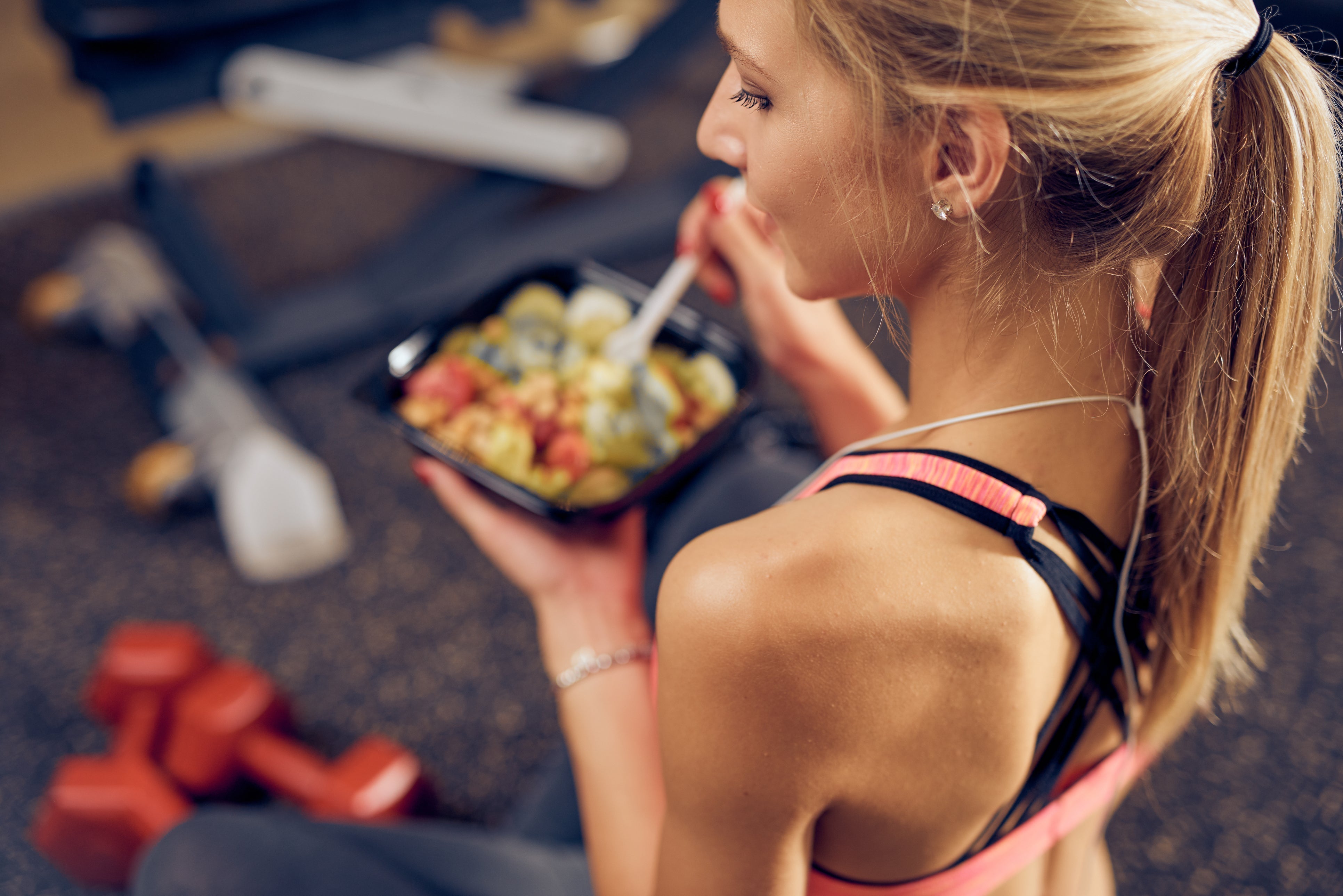
Start 2026 with unique, healthy pre & post-workout recipes. Fun, high-protein, real-food ideas to fuel your workouts and recovery—no boring shakes required.