



Winter Immunity Glow-Up: How to Keep Your Immune System Strong All Holiday Season
Glitter, gatherings, gift wrap… and someone always shows up with a cough.
If winter and the holidays feel like a tag-team of cold, flu, and “something is going around,” you’re not imagining it. We spend more time indoors, share more air and surfaces, sleep less, snack more, and stress higher—all of which can chip away at a healthy immune system.
The good news? You don’t need to live on ginger shots or buy a cart full of “immune-boosting” gummies.
Leading experts—from Harvard Health and the CDC to Andrew Huberman and immunology researchers—keep coming back to the same theme: the most powerful immune support comes from simple, repeatable lifestyle habits.

First Things First: What Actually Supports a Healthy Immune System?
Experts are very clear: there’s no magic food, supplement, or “hack” that can make you invincible. But there are daily habits that help your immune system do its job:
-
Eating a varied, mostly whole-food diet rich in fruits, vegetables, whole grains, healthy fats, and lean proteins
-
Moving your body regularly (moderate exercise), but not overtraining
-
Getting adequate sleep and managing chronic stress.
-
Practicing basic hygiene and staying up to date on recommended vaccinations (flu, COVID, etc.)
Harvard’s Nutrition Source sums it up well: a balanced diet plus healthy lifestyle factors like sleep, movement, and lower stress “most effectively primes the body to fight infection and disease.
So instead of asking “What boosts immunity overnight?” let’s ask:
“What can I repeat most days this winter to support a strong, resilient immune system?”
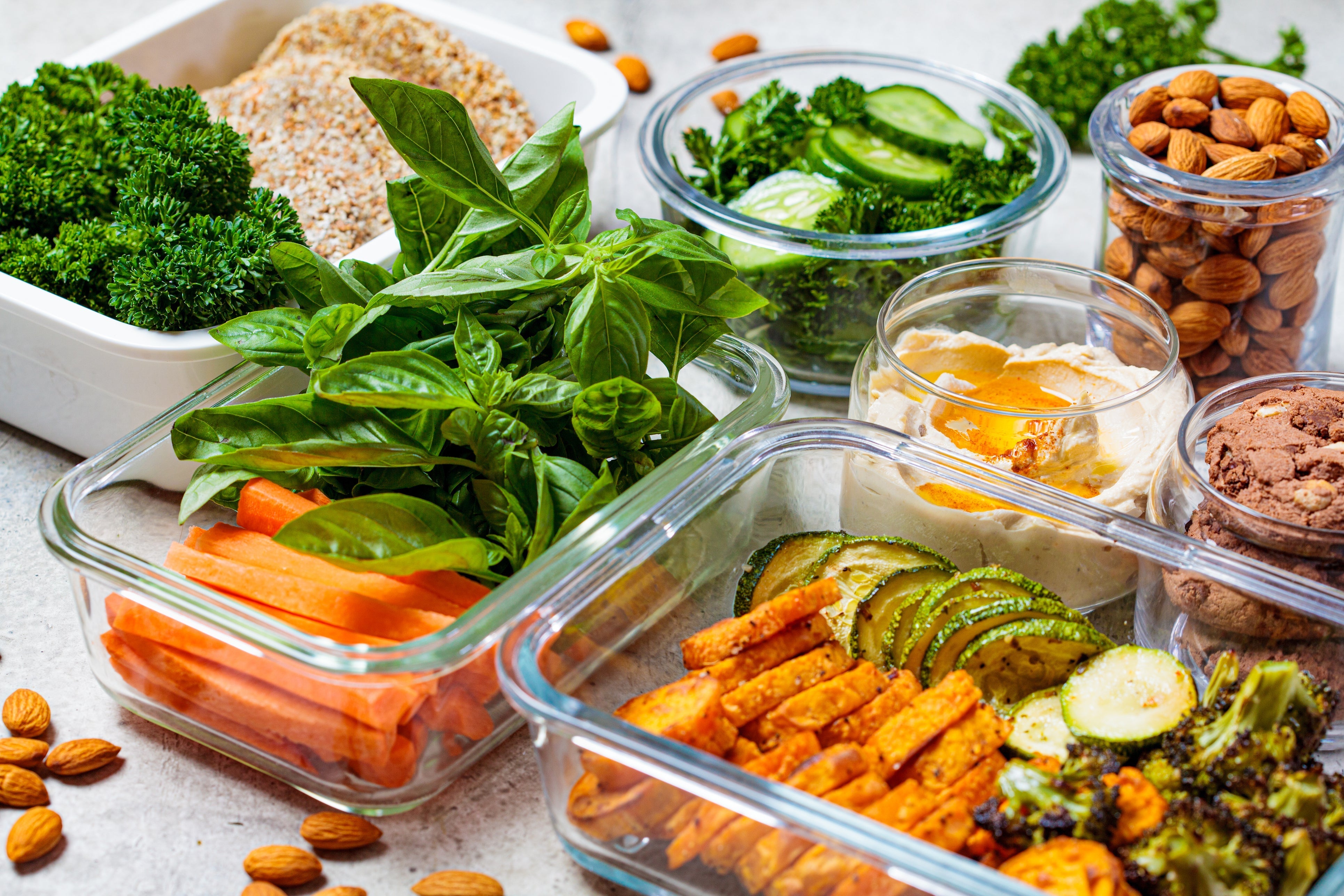
1. Build a Colorful Winter Plate (Your Immune System Eats Too)
Ultra-processed holiday snacks are fun, but your immune system thrives on color, fiber, and whole foods. Recent winter wellness articles and health organizations recommend leaning into:
-
Citrus & berries – Vitamin C for immune support (oranges, clementines, grapefruit, strawberries)
-
Leafy greens & cruciferous veggies – Spinach, kale, broccoli, Brussels sprouts
-
Root veggies & squash – Sweet potatoes, carrots, beets, butternut squash
-
Nuts & seeds – Almonds, walnuts, sunflower and pumpkin seeds (vitamin E + healthy fats)
-
Fermented foods & yogurt – Support a healthy gut microbiome, which plays a big role in immunity
-
Warming spices – Garlic, ginger, turmeric may help tamp down inflammation and support overall health
Quick ways to work these in without rewriting your entire menu:
-
Add spinach or kale to soups, eggs, and pasta.
-
Toss citrus segments + pomegranate seeds into salads.
-
Roast a tray of mixed root veggies and squash once and reuse all week.
-
Choose plain yogurt with berries and nuts instead of super-sugary desserts a couple of nights a week.
What about Vitamin D?
In winter, many people get less sunlight, and low vitamin D has been associated with impaired immune function in epidemiological studies.
The NIH’s Office of The Office of Dietary Supplements notes that vitamin D plays a role in immune response and may help regulate inflammation. Foods like fatty fish, fortified dairy or plant milks, and egg yolks can help—but many adults still fall short, especially at northern latitudes.
Important: before starting any vitamin D supplement (or any supplement at all), talk with your healthcare provider about dose, interactions, and whether testing your levels makes sense for you. This blog is for education, not personal medical advice. 💛

2. Move Your Body—But Don’t Turn Your Workouts Into a Second Job
Exercise and immunity have a “J-shaped” relationship:
-
People who do regular, moderate exercise tend to have a lower risk of infections than sedentary people.
-
People who do very prolonged, intense training without enough recovery can actually see more infections.
Moderate movement looks like:
-
Brisk walking (hello, dog walks and mall laps)
-
Steady cycling
-
Light jogging
-
Dance classes
-
Strength training 2–3x a week
Aim for roughly 150 minutes of moderate activity per week (about 20–30 minutes most days) plus some strength work, as recommended by major health organizations.
Easy Winter Movement Ideas
-
“Phone pocket” walks: Slip your phone into your SportPort EMF-shielded bra pocket, pop in a podcast, walk 20 minutes.
-
Family light-show strolls: Turn holiday light admiring into your cardio.
-
Short strength “snacks”: 10 minutes of squats, wall push-ups, and lunges in your living room.
You don’t need to marathon-train to support your immune system. Consistent, enjoyable movement is the immune sweet spot.
3. Sleep Like Your Immune System Depends On It (Because It Does)
If there were a “secret weapon” for immune health, it would be sleep.
Harvard Health and other medical sources highlight sleep as one of the core pillars of a strong immune system—chronic sleep loss can alter immune function and increase your susceptibility to illness.
Recent inflammation research also underscores that poor or short sleep can drive up inflammatory markers, which isn’t great for overall health.
Winter Sleep Upgrades You Can Actually Do
-
Aim for 7–9 hours most nights (perfect isn’t required).
-
Keep your bedroom cool, dark, and quiet when possible.
-
Try to anchor a consistent-ish bedtime and wake time, even on weekends.
-
Get morning light exposure —a Huberman favorite—by stepping outside for 5–10 minutes soon after waking. Morning light helps set your circadian rhythm, which supports both sleep and healthy cortisol patterns linked to immune function.
Think of this as your body’s winter “restore” mode.

4. Smart Winter Habits: Hygiene, Air, Alcohol & Vaccines
These aren’t glamorous, but they work—and they’re exactly what top public health organizations talk about for flu and cold season.
Hygiene & Air
CDC and other health orgs emphasize:
-
Wash hands frequently (soap + water, at least 20 seconds).
-
Don’t touch your face with unwashed hands.
-
Clean high-touch surfaces (doorknobs, phones, remotes).
-
Improve indoor air when you can: crack windows briefly, use air filters, or gather outdoors/porches when weather allows.
These habits don’t “boost” your immune system; they reduce how much your immune system has to fight, which is just as important.
Alcohol & Late Nights
Holiday cocktails are fun—but there’s a trade-off. UCLA Health notes that alcohol can disrupt sleep and impair immune function, especially when we overdo it or drink close to bedtime.
Simple swaps:
-
Alternate alcoholic drinks with sparkling water + citrus.
-
Cut off alcohol a few hours before bed.
-
Choose a couple of nights to indulge and keep the rest low-key.
Vaccines: A Quick Note
Flu and COVID vaccines don’t make you “bulletproof,” but evidence shows they reduce the risk of severe illness and complications—a major pillar in most winter immune guides.
If you’re unsure what’s recommended for your age and health status, check with your doctor or a trusted clinic. Always follow local guidelines and your provider’s advice.
5. Nervous System, Mindset & Immunity: The “Soft” Stuff That Matters
Chronic, unrelenting stress isn’t just an emotional issue—it’s tied to increased inflammation and a weakened immune response over time.
Andrew Huberman has shared that short bouts of stress can briefly enhance immune function, but when cortisol stays high too often or for too long—especially if sleep suffers—things start to go sideways.
You don’t need to eliminate stress (good luck with that in December), but you can give your nervous system mini-breaks:
-
Physiological sighs – Inhale through your nose, take a second short inhale, then long exhale through your mouth. 1–3 rounds can calm your system quickly.
-
10-minute walk breaks – Sneak outside between tasks; movement + light is a nervous-system win.
-
Micro-moments of joy – Holiday music in the kitchen, dancing with your kids, scented candle while you wrap gifts. Not fluff—your brain and immune system “listen” to how safe and supported your life feels.
These are not cures or treatments; they’re small ways to support the brain–immune connection while doing real life.
A “Strong-Immune-Week” You Can Actually Do
Think of this as a realistic checklist—not perfection, just direction.
Most Days This Week:
-
Eat at least 3 colors of plants (fruit or veg)
-
Move your body for 20–30 minutes (walks count!)
-
Prioritize 7–9 hours of sleep (or gently move closer)
-
Do one small joy thing—hot tea, music, gratitude note
A Few Times This Week:
-
Get 5–10 minutes of morning light outside
-
Do 1–3 physiological sighs when you feel spun up
-
Choose plain yogurt or fermented food once or twice
-
Swap one sugary drink or cocktail for sparkling water
This Month:
-
Check in with your doctor or pharmacist about flu/COVID vaccines and any supplements you’re curious about.
-
Stock your closet with warm, comfortable activewear so getting outside feels inviting, not miserable—think SportPort Active jackets, vests, and our signature sports bras with secure pockets for your phone and keys.
None of these are huge. But string them together over weeks, and you’ve created a lifestyle that gives your immune system the best possible support.
Final Word
You don’t need to turn December into a “biohacking project” to stay well.
You just need a few simple, repeatable habits—colorful food, moderate movement, decent sleep, basic hygiene, and nervous-system kindness—that help your immune system do what it was brilliantly designed to do.
And if you can do all that in a pair of SportPort Active leggings and a cozy jacket on a chilly neighborhood walk? Even better.
More Tips for Your Immune System
I.U Health/How to Stay Healthy During the Holiday Season
Prevention.com/Boost Immune System Naturally
Health Harvard/Phytonutrients Paint Your Plate with the Colors of the Rainbow
Read more

This holiday season, ditch multitasking. Learn “one task, one moment” time management tips, habit hacks & brain-based tools to get more done with less overwhelm.
Start 2026 with steady energy, fewer crashes & calmer cravings. Discover fun, science-backed habits to keep your blood sugar in check—no boring diet rules.