


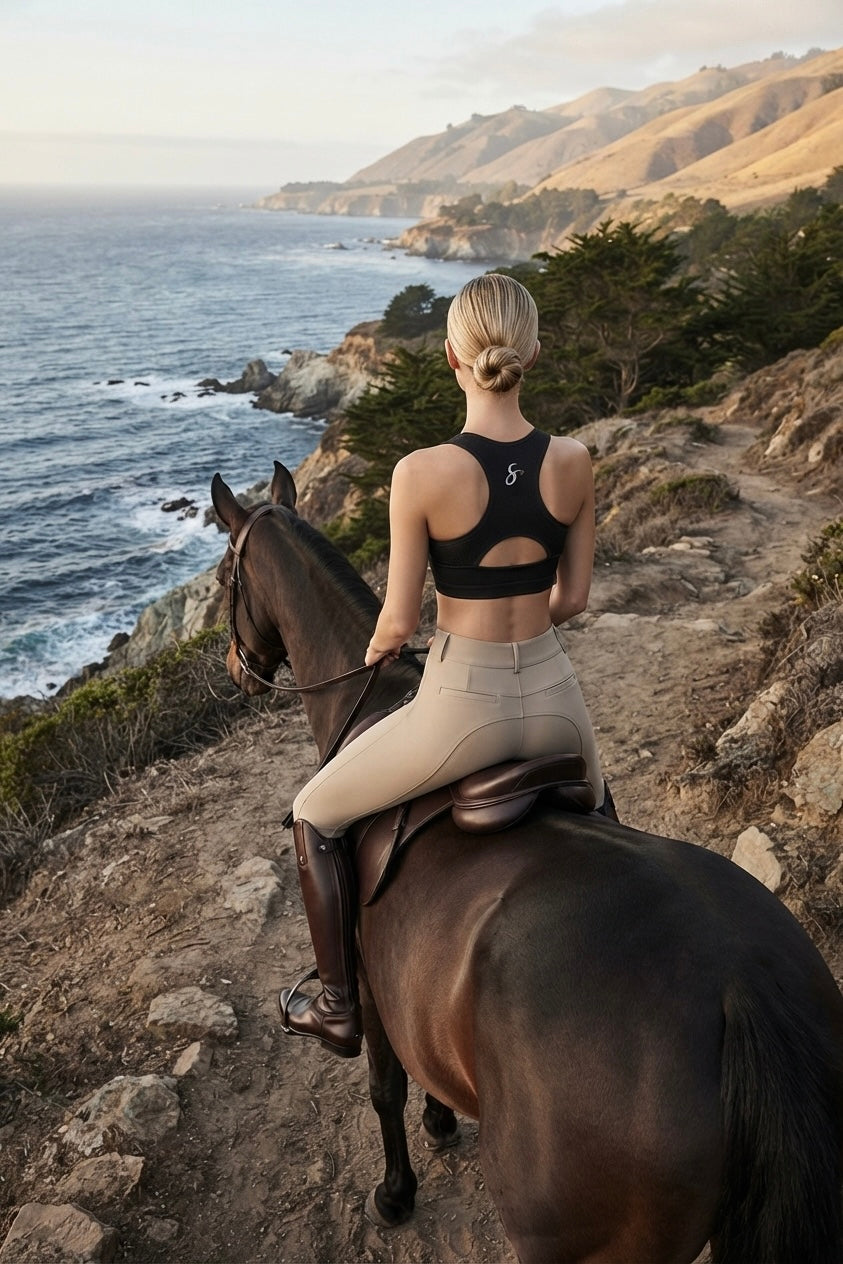
The Power of the Horse: More Than Exercise
In Part 1 of our equestrian series, we climbed into the saddle and discovered just how much work the rider is actually doing.
We explored horseback riding as a surprisingly complete form of functional exercise—challenging the core, hips, legs, upper body, balance, coordination, posture, cardiovascular endurance, and even proprioception, the body's ability to understand where it is in space. We also looked at the extraordinary variety of equestrian disciplines and why riding can become a lifelong form of movement rather than simply another workout routine.
But physical fitness tells only half the story.
Ask riders why they keep returning to horses year after year and many won't begin by talking about calories burned, stronger thighs, or better posture.
They'll talk about how horses make them feel.
The quiet of the barn before everyone else arrives.
The familiar sound of a horse walking toward the gate.
The repetitive rhythm of brushing a coat.
The smell of hay and leather.
The moment you settle into the saddle and realize that, for the next hour, your attention belongs somewhere other than your phone, your inbox, your schedule, or your worries.
For women balancing careers, children, relationships, aging parents, households, and an almost endless stream of responsibilities, that change of focus can feel remarkably restorative.
Horseback riding asks something modern life rarely does:
Be completely present.
And that may be one of the horse's greatest gifts.

The Healing Power of Horses
Humans have lived and worked alongside horses for thousands of years, yet our relationship with them has evolved dramatically.
Once essential for transportation, agriculture, warfare, and commerce, horses today often occupy a very different place in our lives—as athletic partners, companions, teachers, recreational partners, and, in carefully structured professional settings, participants in therapeutic and rehabilitative services.
Spend enough time with horses and it's easy to understand their appeal.
A horse doesn't care whether you had an impressive day at work.
It isn't interested in your social media following.
It doesn't know what size you wear or whether your hair looks perfect.
What matters is what's happening between the two of you right now.
Are your movements calm?
Are your cues clear?
Are you paying attention?
Are you consistent?
Can the horse trust what you're asking?
That immediacy creates a relationship unlike many we experience in ordinary life.
Horses are large, powerful animals with highly developed awareness of their surroundings. Working safely with them requires people to become more conscious of body position, movement, breathing, attention, timing, and communication.
You cannot scroll through your phone while guiding a 1,000-pound animal through an exercise.
You have to participate.
And in a world filled with distraction, simply being fully engaged can feel surprisingly powerful.

Why Time With Horses Can Feel So Calming
There are days when telling yourself to "relax" accomplishes absolutely nothing.
Horses offer another route.
Grooming requires repetitive movement.
Leading requires attention.
Riding requires coordination.
Barn chores require physical activity.
Trail riding introduces fresh air, scenery, changing terrain, and the repetitive rhythm of the horse's gait.
Together, those experiences can redirect attention away from the cycle of racing thoughts that often accompanies everyday stress.
For some riders, the barn becomes an informal form of moving meditation.
You begin noticing small things.
The rhythm of the horse's breathing.
The movement of its ears.
The sound of hooves.
The pressure of your feet in the stirrups.
The feeling of the reins in your hands.
The trail immediately ahead of you.

Instead of mentally replaying yesterday or worrying about tomorrow, you're responding to what is happening in this moment.
That does not mean horseback riding should be presented as a treatment for an anxiety disorder, and recreational riding is not a substitute for professional mental-health care.
But as an enjoyable activity involving movement, concentration, animals, outdoor time, skill development, and often social connection, riding can become a meaningful component of a healthy lifestyle.
Research into animal-assisted interventions is also continuing to develop. A 2026 systematic review examining animal-assisted therapy across vulnerable clinical populations found generally favorable anxiety outcomes, although the populations, animals, and treatment approaches varied considerably.
Equine-specific research is promising in some areas but remains an evolving field rather than a universal prescription.
That's an important distinction.
Sometimes the most responsible health advice isn't to call something a cure.
It's to recognize that there are many ways people can support well-being—and meaningful time with animals may be one of them.

Horses Have a Remarkable Way of Building Confidence
There is another benefit riders talk about constantly:
Confidence.
Horseback riding gives you opportunities to earn it rather than simply telling yourself to feel it.
The first time you confidently lead a horse from its stall.
The first time you tack up without needing help.
Your first posting trot.
Your first canter.
Your first trail ride.
The first time you calmly solve a problem when your horse doesn't immediately understand what you're asking.
The achievements may seem small from the outside.
To the rider, they're enormous.
That's because riding constantly places you in situations where you must combine calmness with decisiveness.
A horse needs clear communication.
Too little guidance can create confusion.
Too much pressure can create tension.
Good horsemanship lives somewhere in the middle: confident without being forceful, attentive without being fearful, patient without becoming passive.
Those are remarkably useful life skills.
Over time, a rider begins learning:
I can handle this.
Not because someone said so.
Because she has evidence.
She did something difficult.
She practiced.
She made mistakes.
She tried again.
She improved.
That type of confidence often follows riders beyond the barn.
The Science Behind Equine-Assisted Services
This is where the conversation becomes especially fascinating—and where terminology matters.
People often use phrases such as horse therapy, equine therapy, therapeutic riding, and hippotherapy as though they describe the same activity.
They don't.
Understanding the difference helps families find appropriate programs and prevents recreational riding from being confused with healthcare.

Adaptive or Therapeutic Riding
Adaptive riding is fundamentally a riding and horsemanship activity adapted for an individual with a disability or special need.
Participants learn riding skills while potentially developing confidence, fitness, recreation, social interaction, coordination, and independence.
The American Hippotherapy Association recommends the term adaptive riding because it distinguishes riding instruction from licensed healthcare treatment. (American Hippotherapy Association, Inc.)
Organizations such as PATH International establish professional standards, instructor certifications, and accreditation programs for equine-assisted services throughout the United States.

Hippotherapy
Despite the name, hippotherapy is not a horseback-riding lesson.
It is a treatment tool used by licensed physical therapists, occupational therapists, and speech-language pathologists as part of a patient's professional plan of care.
According to the American Hippotherapy Association, clinicians purposefully manipulate equine movement to engage sensory, neuromotor, and cognitive systems in pursuit of specific functional treatment goals. (American Hippotherapy Association, Inc.)
One reason the horse can be so useful is movement.
A walking horse creates multidimensional, repetitive movement. The American Hippotherapy Association notes that equine movement can provide thousands of movement repetitions during a treatment session while simultaneously delivering proprioceptive, vestibular, tactile, and visual sensory input. (American Hippotherapy Association, Inc.)
That provides clinicians with something extraordinarily difficult to reproduce with ordinary exercise equipment:
A continuously moving, responsive, three-dimensional treatment surface.

Psychotherapy Incorporating Horses
Then there is another branch entirely.
Licensed mental-health professionals may incorporate carefully structured interaction with horses into psychotherapy. Activities can include grooming, leading, groundwork, observing behavior, completing tasks with the horse, or other professionally directed experiences.
The American Psychological Association's Dictionary of Psychology describes equine-assisted psychotherapy as psychological treatment conducted by a licensed mental-health professional in conjunction with an equine specialist, while also noting that research remains limited and results have not been uniformly conclusive. (APA Dictionary)
That balance is important.
The science is still evolving.
But researchers are asking increasingly sophisticated questions about how carefully designed interactions with horses might complement established approaches to mental health and rehabilitation.
And some of the most compelling research involves populations facing extraordinarily difficult challenges.
Next, we'll look at veterans living with PTSD, people recovering from substance use disorders, children and adolescents with autism spectrum disorder—and why the equestrian community itself may be one of the most overlooked benefits of entering the horse world.

Horses, Veterans & PTSD: Rebuilding Trust Without Words
Some of the most compelling research into the horse–human relationship involves military veterans living with post-traumatic stress disorder.
PTSD can affect sleep, concentration, relationships, mood, confidence, and the ability to feel safe.
Evidence-based treatments remain essential, but researchers have also been studying whether structured
equine-assisted programs can serve as complementary tools alongside established care.
One randomized wait-list-controlled study followed U.S. military veterans through a six-week therapeutic horseback riding program. Researchers reported significant reductions in PTSD symptom scores after three weeks, with further reductions after six weeks. The researchers emphasized that the study was relatively small and that additional research was needed, but the findings suggested therapeutic horseback riding may have value as an adjunctive intervention for some veterans.
The U.S. Department of Veterans Affairs has also incorporated or partnered with equine-assisted programs at some facilities as part of broader recreational, Whole Health, or mental-health services.
These programs do not replace established PTSD treatments, but they illustrate growing interest in using structured interaction with horses to complement traditional care.
Why might horses be especially meaningful for someone rebuilding trust after trauma?
Part of the answer may lie in the nature of the relationship itself.
A horse doesn't require someone to explain everything they're feeling.
There is no pressure to make conversation.
Instead, communication happens through movement, attention, consistency, and trust.
Leading a horse successfully requires awareness.
Grooming requires patience.
Riding requires enough confidence to give clear direction while remaining sensitive to the animal beneath you.
Those moments can create opportunities to practice emotional regulation, patience, boundaries, and trust in a completely different environment.
Sometimes progress begins without saying very much at all.

Horses and Recovery From Substance Use Disorders
The potential role of horses in addiction recovery is another fascinating—and still developing—area of research.
Recovery from a substance use disorder involves far more than simply stopping the use of a substance.
Long-term recovery can involve rebuilding routines, strengthening relationships, regulating emotions, restoring confidence, developing coping strategies, and rediscovering purpose.
Horses naturally require many of those same skills.
You have to show up.
You have to be consistent.
You have to pay attention.
You have to manage frustration.
And you have to build trust gradually.
A 2022 scientific review examining equine-assisted services for people with substance use disorders found promising signals involving treatment motivation, self-efficacy, emotional well-being, and possibly treatment retention. However, the researchers also stressed that the existing studies were small and methodologically limited, meaning the evidence was not yet strong enough to draw broad conclusions.
More recent research has continued exploring the subject. One randomized controlled study found improvements in emotion regulation, self-efficacy, and self-esteem measures when equine-assisted therapy was added to regular substance-use treatment, although researchers called for additional investigation into long-term effectiveness.
Researchers working with veterans in residential substance-use treatment have reported similarly intriguing early findings. In a VA pilot involving 33 veterans, a single equine-assisted session was associated with short-term decreases in anxiety, negative affect, and substance craving and an increase in positive affect. A later replication involving 94 veterans again found short-term improvements during several sessions, while emphasizing that these were observational studies rather than definitive clinical trials.
The takeaway isn't that horses "cure" addiction.
They don't.
But within professionally designed treatment programs, working with horses may provide some people with another meaningful environment in which to practice the emotional and behavioral skills that recovery demands.
And perhaps there is a beautiful lesson hidden within that process:
Trust—whether with a horse, another person, or yourself—is rebuilt one experience at a time.

Horses and Autism Spectrum Disorder
Equine-assisted programs have also attracted significant attention for children and adolescents with autism spectrum disorder.
Here, too, it's important to avoid overstating the science. Autism is a neurodevelopmental condition, and horseback riding is not a treatment for autism itself.
However, researchers have studied whether structured therapeutic riding may support particular skills and behaviors for some children.
One of the largest randomized controlled trials in this field involved 127 children and adolescents ages 6 to 16. Participants were assigned either to therapeutic horseback riding or to a barn-based activity without horse interaction.
After ten weeks, researchers reported improvements in measures including irritability, hyperactivity, social cognition, social communication, and aspects of language among participants in the horseback-riding group compared with the control group.
A follow-up investigation suggested that some social and communication improvements remained detectable six months later among participants who completed follow-up assessments, although researchers emphasized the need for additional study.
Beyond measured outcomes, equestrian settings provide something difficult to capture on a chart:
Joy.
A child remembers the name of her horse.
Learns how to brush him.
Recognizes when his ears move.
Practices giving him a cue.
Celebrates successfully completing an exercise.
Suddenly, therapy-like goals may exist within an experience that simply feels like learning, connection, and accomplishment.
That distinction can be incredibly meaningful.

The Equestrian Community: A Wellness Benefit We Don't Talk About Enough
One of horseback riding's greatest benefits may have nothing to do with the actual riding.
It's the people you meet along the way.
Horse communities have their own rhythm.
Someone always needs help carrying something.
Someone forgot a hoof pick.
Someone's trailer won't cooperate.
Someone is celebrating her first clear round.
Someone is nervous before her first show.
Someone simply needs another person to hold the horse for five minutes.
Before long, acquaintances become barn friends—and barn friends have a remarkable tendency to become lifelong friends.
For women in their 30s, 40s, and 50s, this sense of community can be especially meaningful.
Adult life doesn't always make forming new friendships easy. Careers get busy. Families demand attention. Social circles change.
Equestrian life creates natural opportunities for connection around a shared passion.
You don't have to manufacture conversation.
There's always a horse to talk about.
Barn communities also bring generations together. A woman in her 40s may ride alongside a college student, a mother in her 60s, and a retired rider who has owned horses for half a century.
Everyone knows something.
Everyone is still learning something.
And that's part of what makes the equestrian world so special.

SportPort Style Guide: Equestrian Looks From the Barn to the Trail
Horse life rarely involves just one activity.
You may ride in the morning, groom afterward, clean tack, walk the property, meet friends for lunch, and run errands before finally heading home.
That means your clothing has to keep up.
The ideal equestrian wardrobe combines support, freedom of movement, moisture management, comfortable layering, and enough style to transition beyond the barn.
SportPort Active's Apex Collection was designed around many of those same performance priorities. Its maximum-support compression pieces, fast-drying technical fabrics, and secure construction make the collection especially useful for long, active days.
Important riding note: Always pair athletic apparel with appropriate equestrian safety equipment, including an ASTM/SEI-certified helmet and riding footwear. Avoid loose ties, straps, or dangling details near tack and stirrups.
Classic Arena Performance
Pair the Apex Sports Bra with the Cargo Capris with Side Pockets.
This is the SportPort combination for the woman who expects to stay active all day.
The Apex provides maximum support and compression while fast-drying performance fabric helps manage moisture during warm riding sessions. The Cargo Capris add comfortable stretch and practical secure pockets for barn essentials.
It's an especially useful combination for:
- Riding lessons
- Arena schooling
- Barn chores
- Groundwork
- Warm-weather riding days
Add proper riding boots, your helmet, and a fitted riding layer as needed.

Warm-Weather Barn & Trail Style
Pair the Zephyr Tank Top with Built-In Sports Bra with the Cargo Capris.
This combination keeps layering simple on hot days while providing freedom of movement for grooming, groundwork, walking the property, and active time around the barn.
The Zephyr's integrated sports bra and secure phone-pocket design are especially practical when you don't want to carry a bag from one end of the barn to the other.

Polished Cool-Weather Equestrian
Layer the White Quilted Lightweight Athletic Vest over a fitted performance top and combine it with the Gray Setis Yoga Pants.
Think:
Early morning coffee.
Walking through the stables.
Watching lessons.
Horse-show grounds.
Lunch afterward.
The tailored white vest provides an elevated equestrian-inspired look without the bulk of a traditional heavy jacket.
Because Setis styles may include decorative ankle details, this pairing is best considered a barn-side, travel, or post-ride look rather than your primary mounted outfit.

Burgundy Barn-to-Town Style
Pair the Burgundy Setis Hoodie with the Burgundy Setis Eyelet Yoga Pants.
The monochromatic burgundy creates a sophisticated look that feels equally appropriate walking horse-show grounds, traveling to a clinic, meeting barn friends, or heading to lunch afterward.
Again, decorative ankle ties are best kept away from stirrups and tack, making this a beautiful equestrian lifestyle look rather than mounted riding apparel.
Sleek Black Equestrian Layers
For cool mornings, pair the Black Quilted Lightweight Athletic Vest with the Cargo Capris.
Or combine the Women's Athletic Jacket with the Gray Setis Yoga Pants for travel days, horse shows, clinics, and casual weekends around the stable.
These are the pieces that make the transition from barn to brunch feel effortless.
Because sometimes an equestrian day begins before sunrise...
…and doesn't end until dinner.

The Horse Gives Back in Ways We Never Expect
We may first approach horseback riding because we want to learn something new.
Or get outdoors.
Or become stronger.
Or finally fulfill the childhood dream of learning to ride.
But somewhere along the way, horses begin teaching us things we weren't expecting.
Patience.
Humility.
Confidence.
Consistency.
Responsibility.
Communication.
Resilience.
Trust.
They remind us to pay attention.
They force us to slow down.
They challenge us physically while asking us to become calmer mentally.
And they introduce us to a community of people who understand exactly why arriving home covered in horsehair can somehow feel like an exceptionally good day.
The science surrounding equine-assisted services continues to evolve, and responsible research should always distinguish promising evidence from proven medical treatment.
But perhaps riders have understood one truth for generations:
Time spent with horses can change us.
Sometimes physically.
Sometimes emotionally.
Sometimes socially.
And sometimes in ways that are almost impossible to measure.
At SportPort Active, we believe movement should add something meaningful to your life—not simply check another workout off your schedule.
Whether your next adventure takes you into a fitness studio, onto a mountain trail, or into the saddle, choose movement that makes you stronger, brings you joy, and gives you a reason to keep coming back.
Then enjoy the ride.

Helpful Equestrian & Therapeutic Resources
For readers interested in learning more
PATH International to explore accredited equine-assisted service centers and professional standards
American Hippotherapy Association for information about licensed healthcare professionals incorporating equine movement into treatment
U.S. Department of Veterans Affairs for veteran mental-health and Whole Health resources
USEF for information about equestrian sports, disciplines, competition, and rider education.
Read more
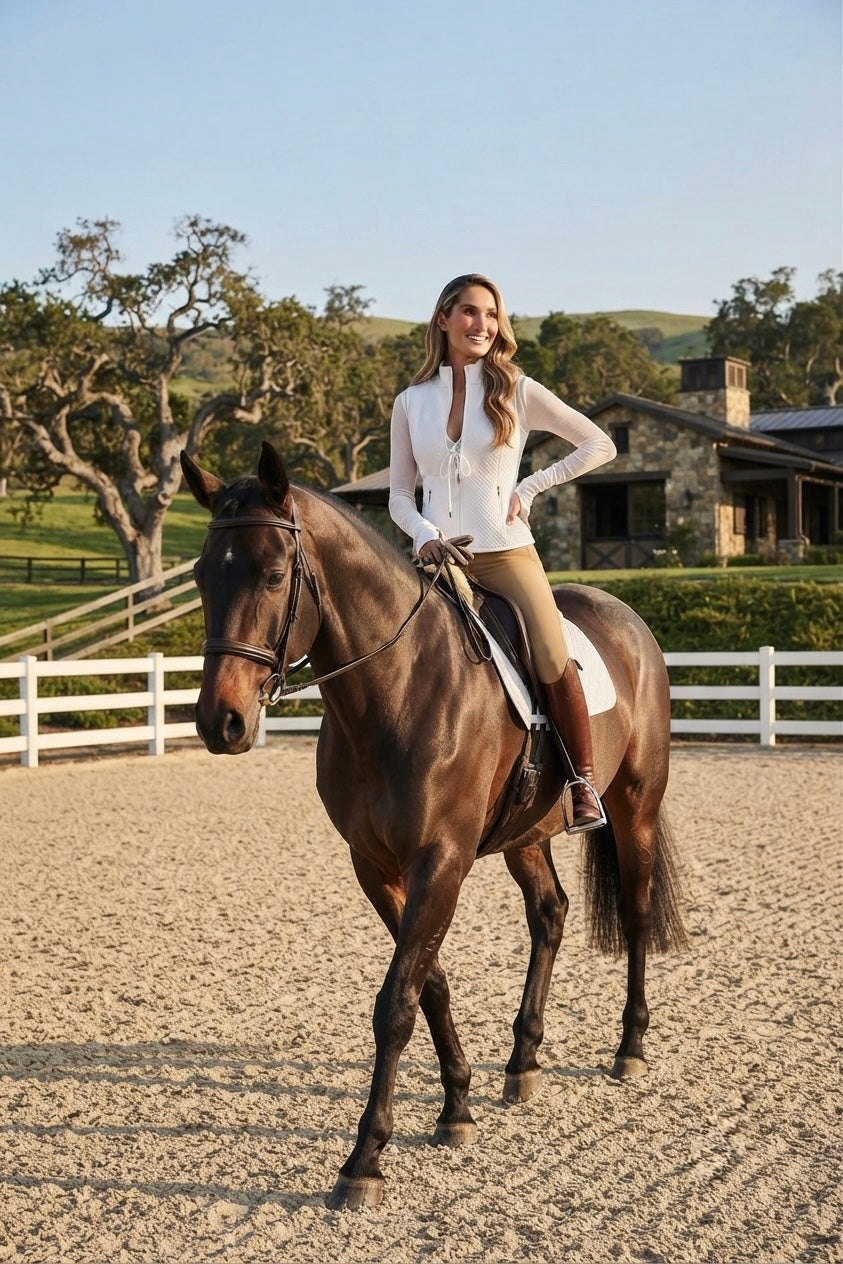
Discover the incredible physical benefits of horseback riding. Learn how equestrian sports improve strength, balance, posture, flexibility, cardiovascular health, and confidence while exploring exp...
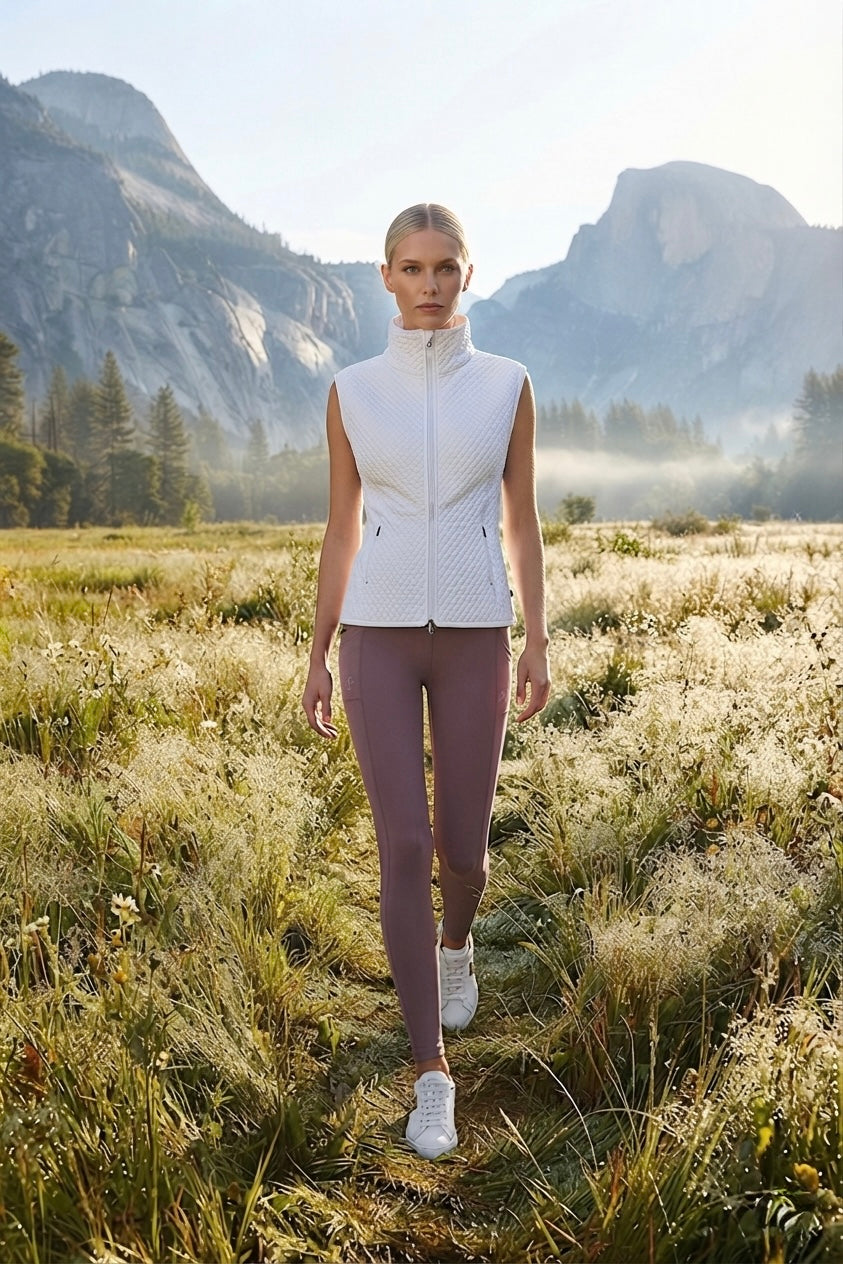
Can two hours in nature improve well-being? Discover research on outdoor time, stress, mood, sleep, exercise, green space, blue space, and easy ways to get outside.